
Published 2026-06-14

Summary: A UN Watch–driven report alleges that some United Nations top human rights experts have shifted from independent monitoring toward political activism or being financed by authoritarian regimes. Related developments in Nicaragua are cited as evidence of corruption fueling repression and calls for accountability.
What We Know
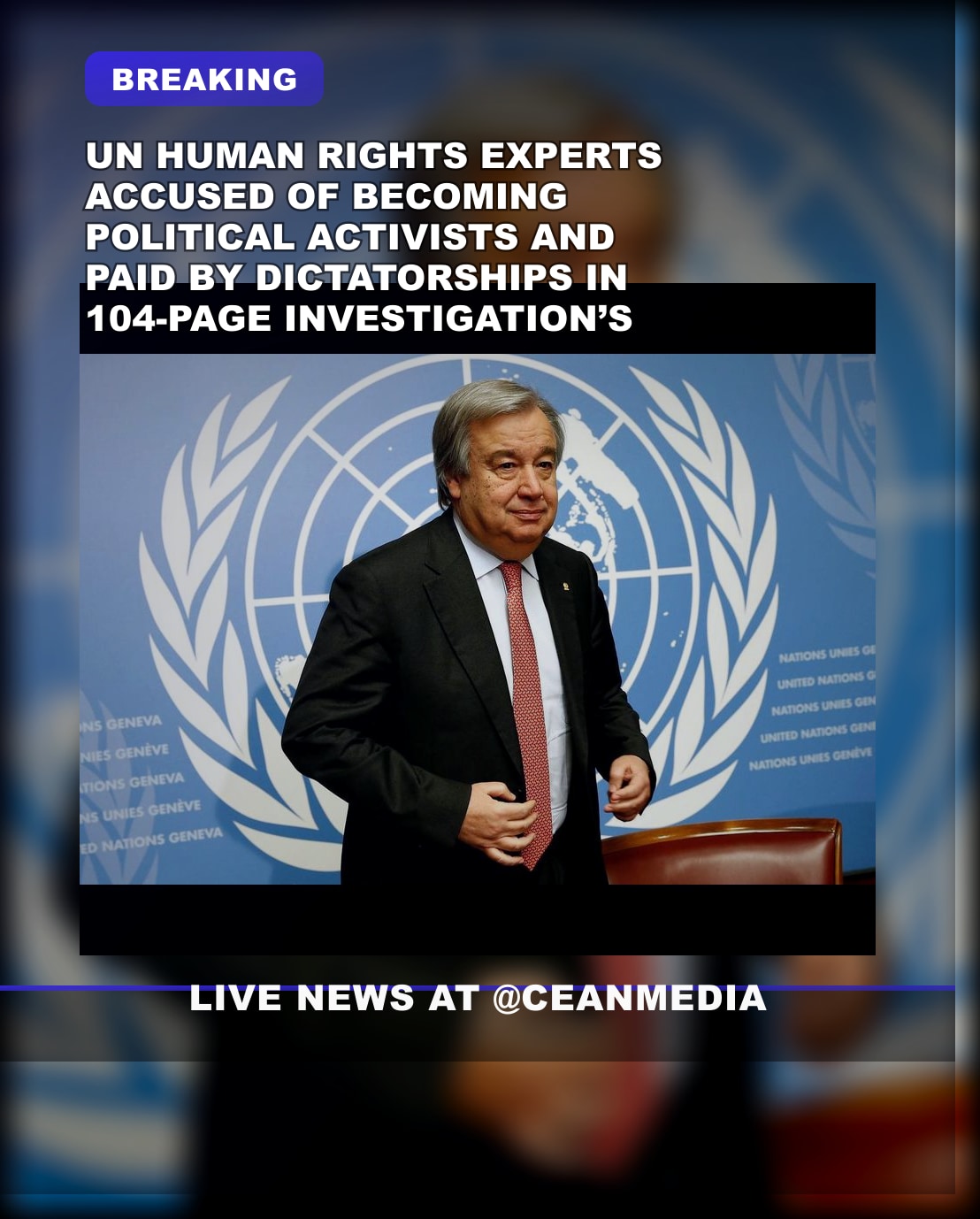
- A 104-page investigation by UN Watch is described as documenting a shift by UN human rights experts toward political activism and alleged corruption linked to dictatorships.
- The report, according to sources, frames the UN rights mechanisms as compromised or influenced by external actors, rather than serving as independent monitors.
- Related coverage references Nicaragua, where UN experts have called for accountability and restoration of civic space amid allegations of state-led repression and institutional corruption.
- OHCHR materials cited in related coverage discuss concerns about corrupt financing of repression and a spy network in Nicaragua, tying into broader questions about integrity of human rights processes.
- The overall narrative connects criticisms of UN rights mechanisms with broader concerns about political influence and systemic corruption in relation to human rights enforcement.
What’s Still Unclear
- Whether the corruption allegations involve UN rights experts themselves or predominantly concern governments influencing rights mechanisms remains unclear.
- Specific findings and conclusions of the UN-backed reports beyond mentions of corruption and repression in Nicaragua.
- Any direct chronology or linkage between the UN Watch report and OHCHR statements beyond their shared focus on corruption within human rights processes.
Context
General background: International human rights mechanisms are designed to monitor and report on abuses, often drawing scrutiny when questions arise about independence, funding, or external influence. Reports and press releases can reflect ongoing debates about governance, accountability, and the balance between scrutiny and political considerations within multilateral bodies.
Why It Matters
Neutral, evidence-based understanding of how allegations of influence or corruption may affect the credibility and effectiveness of international human rights monitoring is important for policymakers, advocates, and the public. Clarity on independence, funding, and governance can shape future reforms and accountability mechanisms.
What to Watch Next
- Official responses or clarifications from the United Nations or OHCHR regarding these allegations.
- Independent analyses or corroborating reports that examine the integrity and funding of UN human rights mechanisms.
- Developments in Nicaragua related to accountability measures, reforms, or civil space initiatives mentioned in related coverage.
FAQ
Q: What is the main claim of the report?
A: The report alleges that some UN human rights experts have abdicated independence and become political actors or are financed by dictatorships, though specifics are not confirmed here.
Q: Are the allegations proven?
A: The available information summarizes claims and related coverage; it does not present verifiable conclusions within this excerpt.
Related coverage
- Southeast Asia’s Megamalls Anchor Daily Life Beyond Shopping
- Trump eyeing McDonald replacement for Clayton as US DNI
- Swarovski CEO: broad priced product range from $150 to
Source Transparency
- This article is based on a short preliminary brief and may not reflect the full details available in ongoing reporting.
- Source links are provided in the Sources section where available.
- A limited open-web check was used to clarify key details when possible; unclear items remain clearly marked.
Original brief: Another revealing report by
@UNWatchA 104-page investigation has just been released, showing that the United Nations’ top human rights experts have abandoned the role of independent monitors and are now political activists or corrupt individuals paid by dictatorships to…
Sources
- UN Watch Exposes Systemic Corruption at UN Human Rights Council in New …
- Nicaragua: Rights experts uncover State corruption fuelling repression …
- Nicaragua: UN Experts uncover corrupt financing of repression and spy …
- PDF From Watchdogs to Ideologues
- A fragile crown jewel: the UN's human rights experts – Aeon