
Published 2026-06-20
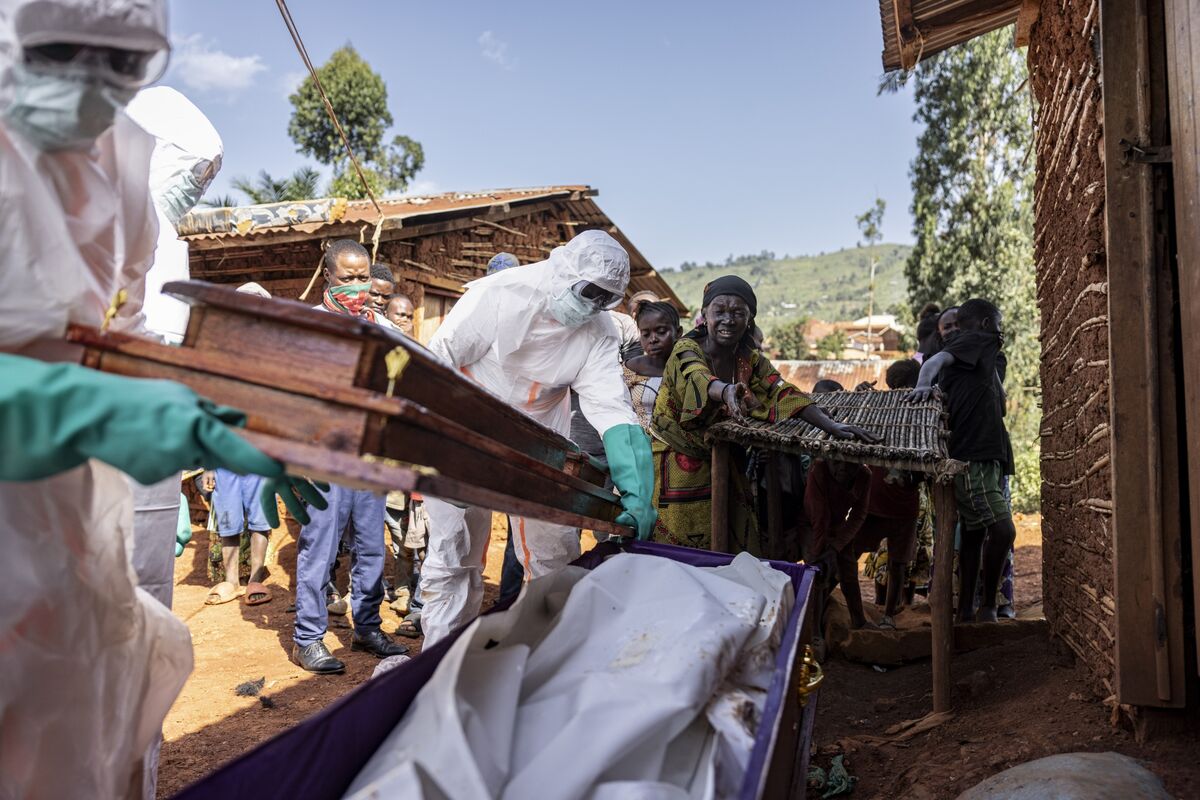
Summary: Attacks on Ebola burial teams in the Democratic Republic of Congo are highlighting widespread mistrust that complicates efforts to contain the outbreak, underscoring how conflict, displacement and neglect fuel resistance to containment and burial practices.
What We Know
- There have been attacks on Ebola burial teams in the Congo/DRC as part of broader security and trust challenges related to the outbreak.
- Mistrust and resistance from communities are hindering response efforts, including containment and diagnosis processes.
- Burial teams and other health workers have faced hostility amid fears surrounding Ebola containment and burial practices.
- News reports connect these incidents to a pattern of insecurity and pushback linked to perceptions about diagnoses and treatment centers.
- Several sources reference the Bundibugyo strain in related discussions about the outbreak, though exact strain details may vary by report.
What’s Still Unclear
- Specific dates and locations of individual attacks are not consistently stated across sources.
- Exact triggers of incidents (burial practices, fears about containment, or disputes over diagnoses) are not uniformly detailed.
- Whether a single strain or multiple strains are involved in the incidents cited across sources remains unclear in the available information.
- Details about the number of people injured or affected by these attacks are not provided in the available briefings.
- The immediate operational responses by health authorities in each incident are not described in depth in the provided material.
Context
General background on Ebola outbreaks shows that community trust plays a crucial role in outbreak response. In areas affected by conflict, displacement, and neglect, burial practices and fears about disease can lead to tension and hinder containment efforts. International and local health workers often work in challenging environments to balance respect for cultural practices with safe burial and treatment protocols.
Why It Matters
These attacks threaten to slow or derail crucial containment measures, potentially increasing transmission risk. Understanding and addressing mistrust, improving community engagement, and ensuring safe, respectful burial and treatment procedures are essential for an effective public health response.
What to Watch Next
- Monitor reports for changes in the level of community cooperation with burial teams and health workers.
- Look for statements from health authorities about security measures and community engagement strategies.
- Track any updates on the Ebola strain being reported and the epidemiological context of new cases.
- Follow analyses on how conflict dynamics influence outbreak response logistics and morale among responders.
FAQ
Q: What is driving the mistrust against burial teams?
A: Available information points to a combination of longstanding conflict, displacement, fear of diagnosis, and cultural burial practices contributing to mistrust, but specifics vary by incident and are not consistently detailed in the sources provided.
Q: Are burial team attacks isolated or part of a broader pattern?
A: The material indicates a broader pattern of insecurity and community pushback that disrupts Ebola response operations, though individual incident details are not uniformly documented across sources.
Related coverage
- Panel discussion participants names reveal industry insights
- Bloomberg On Books: Expand Your Thinking Reviews and
- SpaceX Demonstrates That Active Investing Mindset Trumps
Source Transparency
- This article is based on a short preliminary brief and may not reflect the full details available in ongoing reporting.
- Source links are provided in the Sources section where available.
- A limited open-web check was used to clarify key details when possible; unclear items remain clearly marked.
Original brief: Attacks on burial teams are hindering the response to the Ebola outbreak. a sign of the mistrust caused by decades of conflict, displacement and neglect…
Sources
- Why are people attacking Ebola clinics? : NPR
- Congo Reports Attack on Ebola Burial Team as Cases Rise
- Burial teams attacked as Ebola patients flee treatment centres in …
- Congo reports attack on Ebola burial team as cases rise
- Ebola Centers Face Rising Attacks in Eastern DR Congo as Burial …