
Published 2026-07-05
Summary: Greece is intensifying actions to combat an invasive warm-water pufferfish that has been affecting its fishing industry for about two decades. Authorities have introduced response measures and a bounty program to encourage harvesting of the toxic species expanding through the Aegean and Ionian seas, aiming to protect coastal communities and the broader fishing sector.
What We Know
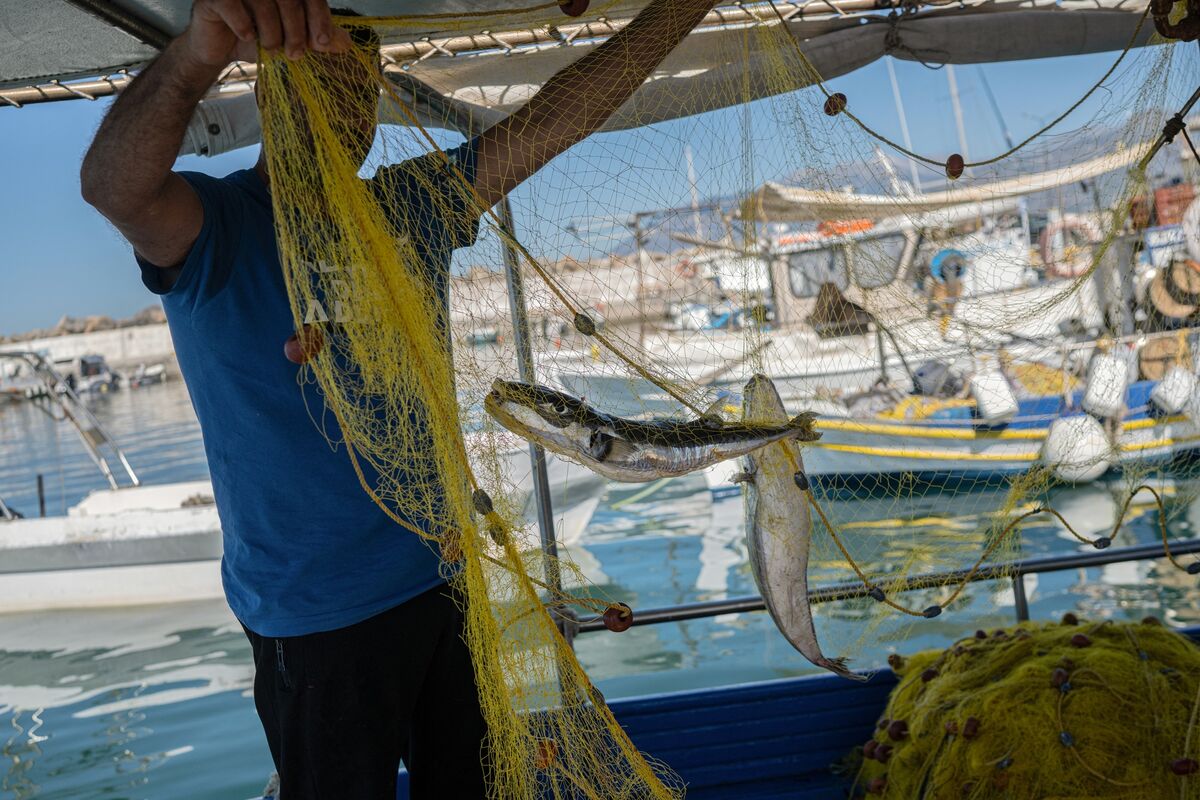
- The invasive warm-water pufferfish has been present in Greek waters for about 20 years and is impacting Greece’s fishing industry.
- The toxic silver-cheeked pufferfish is expanding across Greece’s Aegean and Ionian seas, damaging fishing gear and posing health risks.
- Authorities are increasing response measures to the invasive pufferfish situation.
- Greece has launched a bounty program offering fishermen €5.33 per kilogram for harvesting the invasive pufferfish.
What’s Still Unclear
- Exact dates for when the bounty program started or full implementation details.
- Specific measures beyond the bounty program currently in use (e.g., monitoring, containment, gear modifications).
- Precise scope of impact on different coastal communities or regional fishing sectors.
Context
Invasive marine species can threaten local economies reliant on fishing and coastal livelihoods. Governments sometimes implement incentives or enhanced monitoring to reduce ecological and economic damage while safeguarding public health and marine ecosystems. Specific species and regional spread can vary, requiring tailored response plans.
Why It Matters
The situation touches on the resilience of fishing communities, food safety considerations, and the economic health of a sector central to coastal livelihoods. Effective management could help stabilize catches, protect gear, and reduce health risks associated with the invasive species.
What to Watch Next
- Updates on the expansion or restriction of the bounty program or additional incentives for removal.
- Reports on the effectiveness of ongoing response measures and changes to fishing practices.
- Monitoring of ecological impacts and any shifts in species distribution within Greek waters.
FAQ
Q: What species is involved?
A: The situation involves an invasive warm-water pufferfish, including a toxic species referred to as the silver-cheeked pufferfish, expanding in Greek seas.
Q: What actions are being taken?
A: Authorities are increasing response measures and offering a bounty for harvesting to mitigate damage to the fishing industry.
Related coverage
- Mbappe World Cup goal record: 19th goal nets France into
- National Party aims seven new trade deals negotiations
- Trump frames loyalty as loyalty to America or communism
Source Transparency
- This article is based on a short preliminary brief and may not reflect the full details available in ongoing reporting.
- Source links are provided in the Sources section where available.
- A limited open-web check was used to clarify key details when possible; unclear items remain clearly marked.
Original brief: Greece is taking action to deal with an invasive species of fish which is devastating a fishing industry that’s the economic heartbeat of many coastal communities…
Sources
- Greek fishers struggle to keep up with puffer fish invaders
- Invasive Silver-Cheeked Pufferfish Spreads in Greece: Risks & Response
- Greek fishermen struggle to deal with invasive pufferfish – RTÉ
- A Toxic Pufferfish Is Invading Greece: What Swimmers Need to Know
- Greece Launches $6-Per-Kilo Bounty on Invasive Pufferfish