
Published 2026-07-05
Summary: Japan’s appetite for individually wrapped products faces disruption as the Iran war strains global plastics supply chains, driving naphtha shortages, higher costs, and potential shortages of plastic bags, trays, and food-service gloves.
What We Know
- Japan is experiencing shortages of plastic bags, trays, and food service gloves due to shortages of naphtha, a key plastic ingredient.
- The Iran war is disrupting global plastics supply through feedstock shortages, shipping constraints, and rising costs.
- Japan’s plastic-wrapped products may face shortages and higher costs as a result of these supply constraints tied to the Iran conflict.
- Analyses note that Iran controls significant ethylene capacity and the Strait of Hormuz handles a sizable share of global oil trade, influencing polyethylene and polypropylene production and availability.
- Industry observers describe the situation as a test to Japan’s preference for plastic-wrapped packaging amid constrained supply chains.
What’s Still Unclear
- Specific timelines for when shortages or price pressures might impact different packaging categories in Japan.
- Quantitative figures on the extent of shortages across Japan’s plastic bag, tray, and glove segments.
- Direct cause-and-effect details tying Iran-specific events to Japan’s domestic packaging shortages versus broader regional impacts.
- How Japanese manufacturers and retailers are adapting beyond shifts in packaging costs (e.g., substitutions, consumer behavior changes).
Context
Global plastics supply chains rely on petrochemical feedstocks and international shipping networks. Conflicts in the Middle East can influence feedstock availability, trade routes, and costs, which in turn affect packaging materials used widely in consumer goods, food service, and retail sectors. Japan’s packaging culture has long favored high levels of plastic wrapping, making it potentially sensitive to such shocks.
Why It Matters
Potential impacts include higher consumer costs for packaged goods, changes in the availability of commonly used packaging materials, and broader considerations for Japan’s manufacturing and retail supply chains as they navigate elevated input costs and sourcing challenges.
What to Watch Next
- Updates on naphtha availability and its price trajectory in global markets.
- Reports on packaging material supply resilience in Japan, including bags, trays, and gloves.
- Industry responses from retailers and manufacturers regarding packaging substitutions or efficiency measures.
- Broader analysis of how the Iran conflict is reshaping petrochemical supply chains and regional shipping constraints.
FAQ
Q: What is driving the shortages of plastic bags, trays, and gloves in Japan?
A: Shortages of naphtha, a key plastic feedstock, tied to disruptions related to the Iran war are contributing to supply constraints and higher costs.
Q: Are these shortages affecting only Japan?
A: The situation described references global feedstock and shipping disruptions linked to the Iran conflict, with specific attention to Japan’s packaging needs; broader regional effects are possible but not elaborated here.
Related coverage
- Israel Hezbollah strikes Khirbet al Jarr
- Iranian regime meeting Medvedev planning: Tehran talks on
- Iran charges Hormuz fees August amid MoU end, odds rise to
Source Transparency
- This article is based on a short preliminary brief and may not reflect the full details available in ongoing reporting.
- Source links are provided in the Sources section where available.
- A limited open-web check was used to clarify key details when possible; unclear items remain clearly marked.
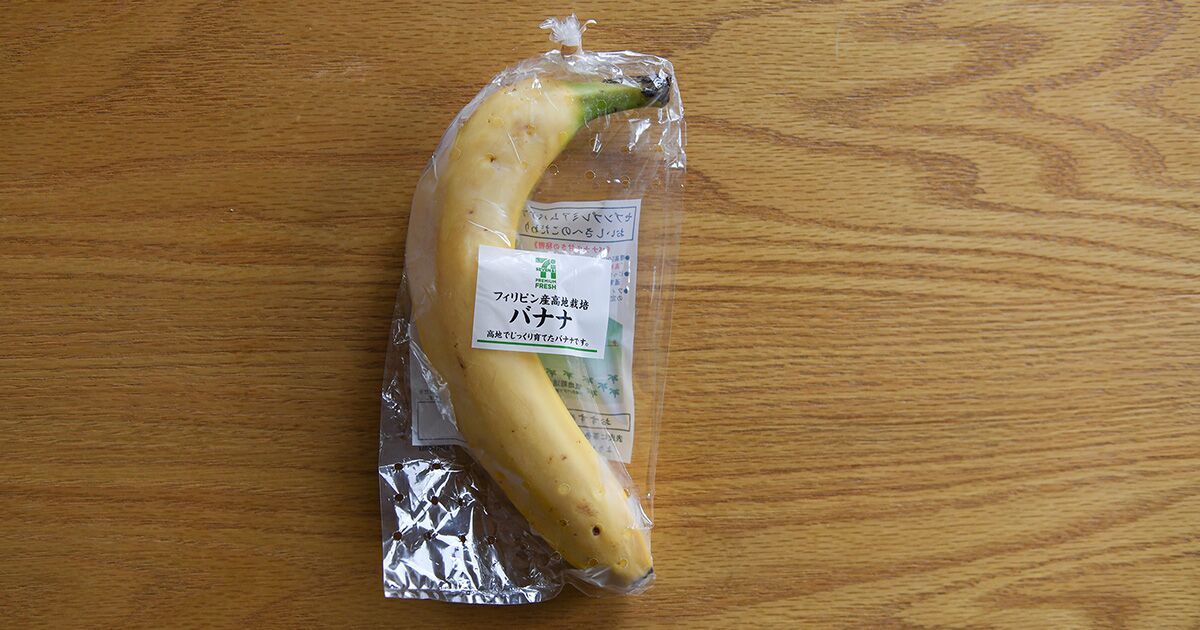
Original brief: Japan loves to individually wrap everything in plastic. Supply shortages stemming from the war in Iran are making that difficult…
Sources
- Japan sees shortage of plastic bags, trays and gloves, as Iran war …
- Iran War: Exposing the Gap in the Global Oil Supply Chain
- Japan's Love of Plastic Is Being Tested by Supply Constraints
- The Iran war's oil shock causes a plastic shortage in Asia, squeezing …
- Middle East Disruptions Push Global Plastics Pricing