
Published 2026-07-09
Summary: New Zealand’s central bank raised the official cash rate to 2.50%, signaling a continued tight path to bring inflation back to target. The decision aligns with a broader trend of rates moving higher globally, even as the domestic economy remains softer. Analysts, including Moss_Economy, view the move as necessary despite headwinds for growth.
What We Know
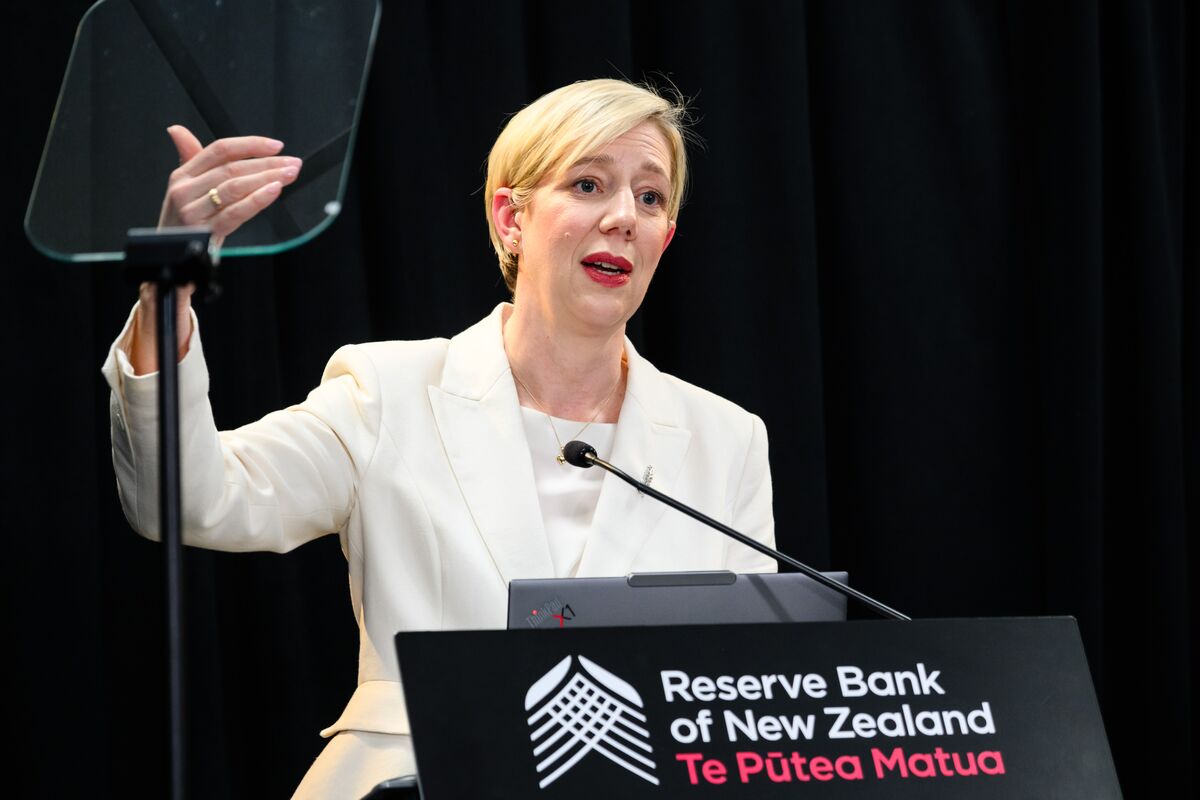
- The Reserve Bank of New Zealand (RBNZ) increased the OCR to 2.50% to return inflation to the 2% target.
- Markets expect global policy rates to rise above pre-conflict levels, suggesting a tightening global backdrop.
- Headline inflation in New Zealand’s trading partners is expected to ease toward around 2% in 2027.
- NZ has joined a widening group of countries raising interest rates.
- The most recent hike is described as a 25 basis point increase, marking the first hike since May 2023.
What’s Still Unclear
- Specific domestic economic signals that directly triggered the hike beyond the general inflation context are not detailed in the available information.
- Exact rationale linking energy shocks to the timing and magnitude of the move is not explicitly described in the supplied material.
- Details on the internal deliberations or the vote split among policymakers are not provided here.
Context
Across advanced economies, central banks are calibrating policy to combat persistent inflation while weighing growth and energy-related shocks. New Zealand’s decision comes amid a period of global rate adjustments and evolving inflation dynamics in trade partners.
Why It Matters
The move signals a continued commitment to price stability, which can influence borrowing costs for households and businesses, currency expectations, and investment decisions. For an economy described as softening domestically, the hike underscores a prioritization of inflation control even as growth faces headwinds.
What to Watch Next
- Any forthcoming commentary from the RBNZ on the path of official rates and the pace of further tightening or stabilization.
- Updates on inflation trajectories both domestically and in New Zealand’s trading partners.
- Market reactions in bonds, consumer lending, and exchange rates following the 2.50% OCR level.
- Evidence of energy-related inflation pressures and how policy responses may adapt.
FAQ
Q: Why did New Zealand raise rates now?
A: The available information indicates the move was aimed at returning inflation to 2% and aligning with a broader trend of rate increases globally, even as domestic growth remains soft.
Q: What is the new rate now?
A: The OCR is at 2.50%, following a 25 basis point hike identified as the first since May 2023.
Related coverage
- Meta data center investment Canada: $10B AI expansion in
- BTC technical analysis shows mixed bias amid cautious ETF
- NZ central bank rate hike inflation pressures emerge amid
Source Transparency
- This article is based on a short preliminary brief and may not reflect the full details available in ongoing reporting.
- Source links are provided in the Sources section where available.
- A limited open-web check was used to clarify key details when possible; unclear items remain clearly marked.
Original brief: New Zealand had little choice but to hike rates, says
@Moss_Eco
. Too bad for the soft economy (via
@opinion
)…
Sources
- New Zealand's Rate-Hike Gamble Comes at a Tough Time
- OCR increased to 2.50% to return inflation to 2% – rbnz.govt.nz
- NZ central bank flags imminent hikes to counter energy shock after …
- Monetary policy – Reserve Bank of New Zealand – Te Pūtea Matua
- New Zealand Central Bank Hikes Rates to 2.50% – dailyforex.com