
Published 2026-07-17
Summary: A new generation of supersized electric vehicles in China—reported as exceeding 5 meters in length and weighing around three tons—is highlighted as straining road infrastructure and diminishing fuel-tax revenue that funds road maintenance. The reporting notes a potential fiscal squeeze amid a large EV growth cycle, with unclear specifics on the scope and policy responses.
What We Know
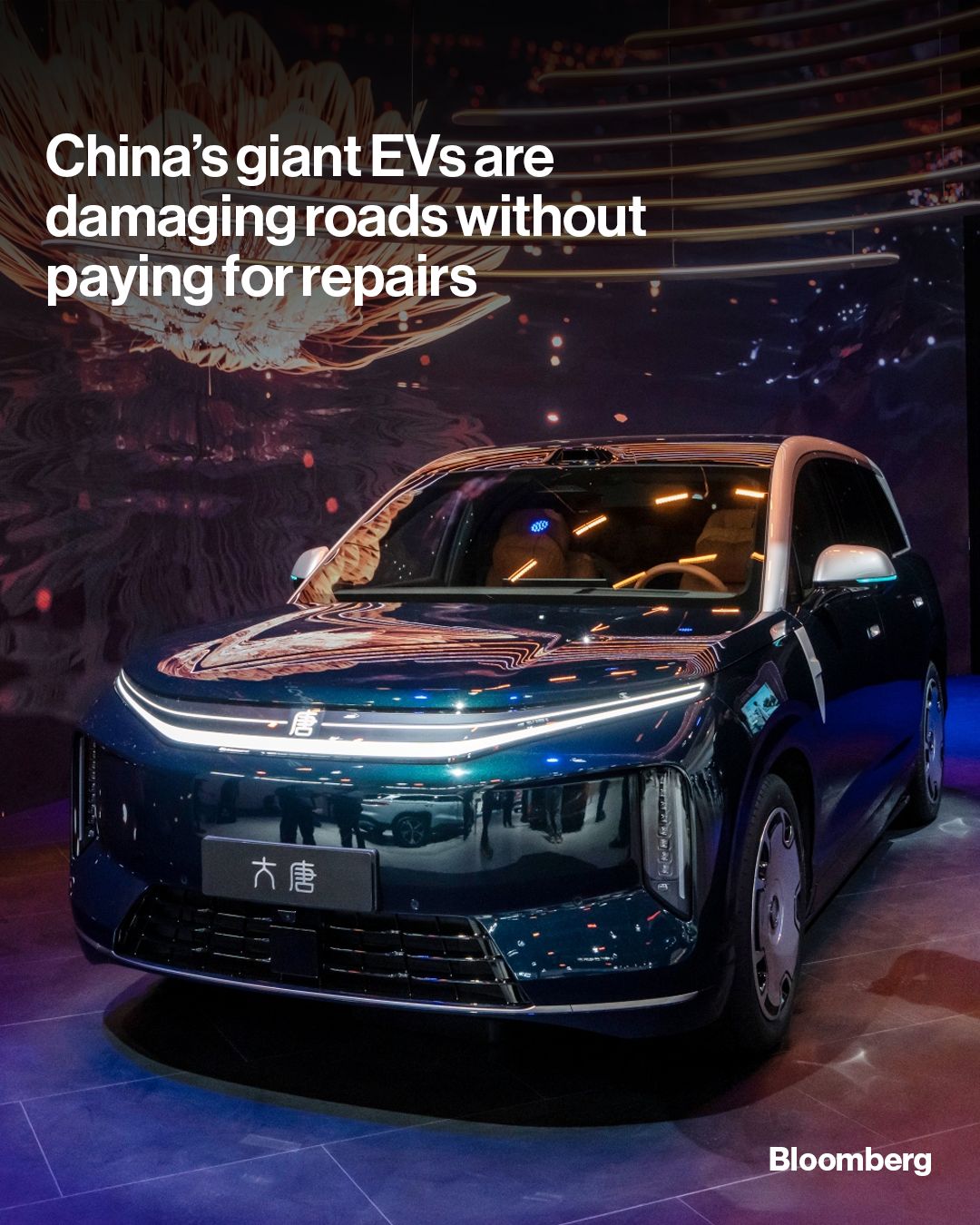
- Supersized electric vehicles in China are described as more than 5 meters long and weighing about three tons.
- These large EVs are said to be straining roads and affecting road maintenance funding.
- The coverage points to a fiscal impact linked to reduced fuel tax revenue as EVs proliferate.
What’s Still Unclear
- Exact magnitude of road damage attributable to these vehicles versus other wear and tear factors.
- The precise share of this vehicle category within overall EV stock and its growth trajectory.
- Specific policy measures being considered or implemented to address road funding gaps (if any).
- Details on charging infrastructure and power grid implications tied to the wider EV expansion.
Context
China has seen rapid growth in electric vehicles, supported by policy incentives and a push toward cleaner transportation. Infrastructure funding traditionally comes from fuel taxes, and shifts in vehicle composition—especially toward heavier, specialized EVs—can influence maintenance costs and revenue. Observers and analysts have raised questions about how road funding will adapt as the vehicle mix evolves.
Why It Matters
The reported tension between expanding EV adoption and road maintenance funding touches on broader questions of fiscal policy, infrastructure planning, and the social costs and benefits of rapid technological change in transportation. Neutrally, how governments finance road networks as vehicle fleets modernize is a key issue for long-term urban planning and public accountability.
What to Watch Next
- Follow updates on any official statements about road funding and tax policy adjustments related to EVs.
- Look for data on road wear, maintenance costs, and cost-recovery mechanisms as EVs grow in number and size.
- Monitor discussions about charging infrastructure expansion and grid demand in relation to larger EV classes.
- Track industry analyses on the share of supersized EVs in the broader Chinese automobile market.
FAQ
Q: Are supersized EVs common across China?
A: Not confirmed; available information notes their existence and potential impact but does not provide prevalence data.
Q: What policies are being considered to address road funding?
A: Not specified in the available information.
Related coverage
- China AI models leadership claims boost Xi’s tech clout
- Trade summit expectations Xi Trump: U.S. Trade Chief Sets
- Sanctions top buyers Russia: New law targets buyers
Source Transparency
- This article is based on a short preliminary brief and may not reflect the full details available in ongoing reporting.
- Source links are provided in the Sources section where available.
- A limited open-web check was used to clarify key details when possible; unclear items remain clearly marked.
Original brief: China’s new generation of supersized electric vehicles — some more than 5 meters long and weighing three tons — is straining the nation’s roads while starving the government of fuel taxes to maintain them:
https://
bloomberg.com/news/articles/
2026-07-16/china-s-giant-evs-are-damaging-roads-without-paying-for-repairs?taid=52f6b565-701a-4f22-baae-c88bdfc22a89&utm_campaign=trueanthem&utm_content=bu…
Sources
- China's Giant EVs Are Damaging Roads Without Paying for Repairs
- Bigger electric cars leave China with damaged roads, funding crunch
- How China's electric car boom created a yawning fiscal black hole
- “The Paradox of China's EV Boom” Roads Wear Out, Gas Stations Empty …
- Sharing the Road – IMF