
Published 2026-07-19

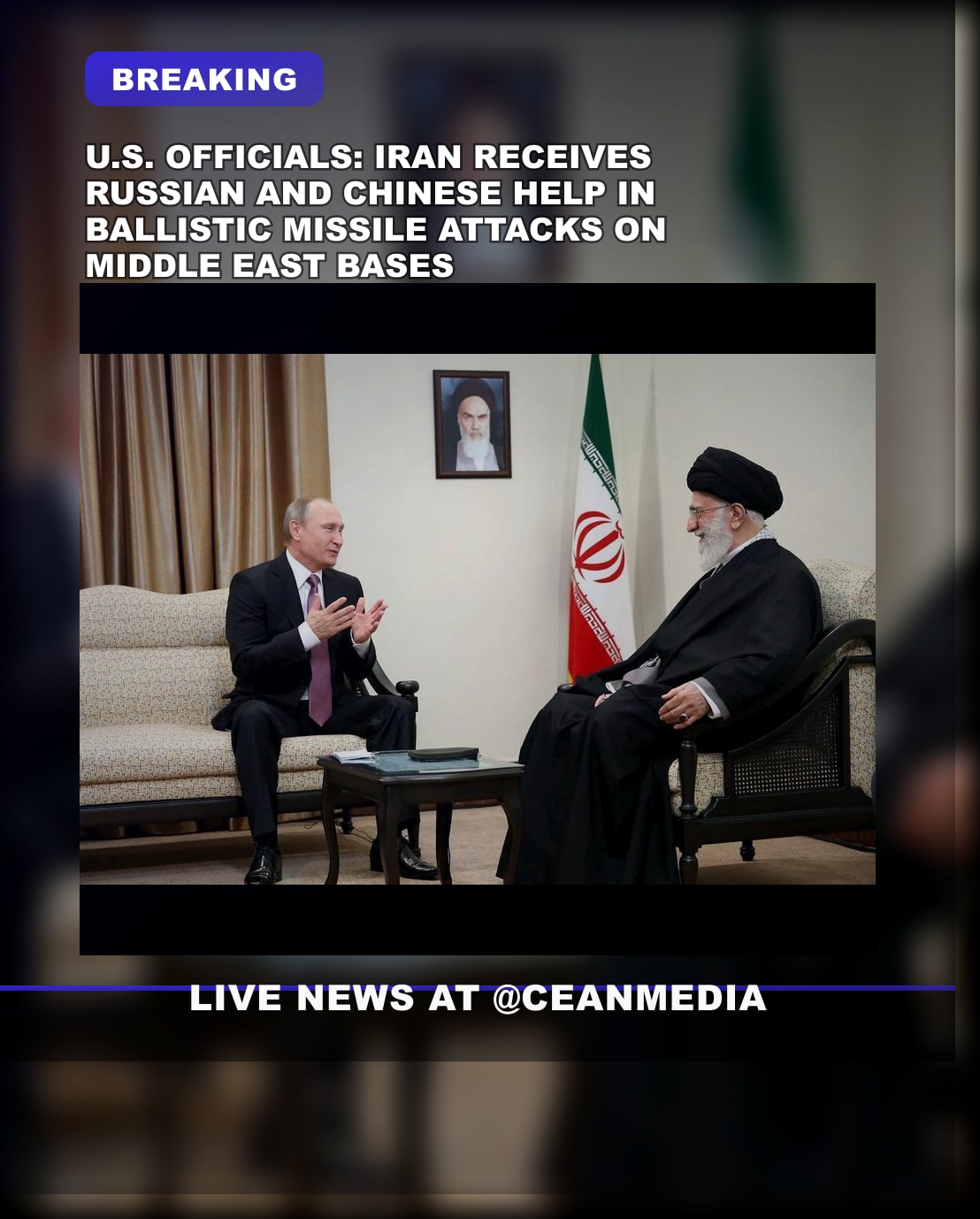
Summary: U.S. officials and reporting indicate that Iran’s ballistic missile activities in the Middle East are being supported by external actors, with sources pointing to cooperation and supply chains involving Russia and China. Reports also note Iran’s use of maneuvering ballistic missiles in attacks on U.S. bases and discuss potential intelligence collaboration among Iran, China, and other actors in 2026.
What We Know
- U.S. officials and reporting describe China and Russia as assisting Iran through supply chains that include drones and rocket fuel, potentially supporting Iran’s missile program.
- China has reportedly sent attack drones to Iran and discussed ballistic missile sales, signaling strengthened technical backing that could affect regional capabilities.
- There are assertions of intelligence cooperation between China and Iran in the context of military activities in 2026, including information-sharing related to operations.
- The Wall Street Journal reports that Iran is using ballistic missiles that maneuver during their final descent, complicating interception efforts.
- There are narrative connections in reporting between China’s broader support for Iran and parallels drawn with how weapons development has been sustained in other conflicts, per cited sources.
What’s Still Unclear
- Specifics on the scale, timing, and composition of Iran’s ballistic missile attacks and the exact nature of Russian involvement are not clearly detailed in the available information.
- Whether the described intelligence cooperation refers to operational guidance, technical intelligence, or broader strategic insight remains unclear.
- Independent verification of fuel deliveries or other material support, and the direct impact on Iran’s missile capabilities, has not been established in the publicly cited sources.
Context
Geopolitical tensions in the Middle East involve complex interactions among regional actors, Western powers, and external partners. Ballistic missiles and unmanned systems have been central to regional security concerns, with various states seeking to enhance deterrence and defense capabilities. International scrutiny often centers on alleged external assistance to regional actors and the implications for stability, miscalculation, and escalation risk.
Why It Matters
Understanding potential external support for ballistic missile programs informs regional security assessments, defense planning, and diplomatic outreach. If substantiated, such cooperation could affect deterrence dynamics, defense posture at bases in the region, and strategic calculations for multiple nations.
What to Watch Next
- Look for official statements or corroborating reporting on the nature and scope of external assistance to Iran’s missile program.
- Monitoring whether intelligence-sharing or coordination among China, Iran, and Russia is publicly acknowledged or further documented.
- Any changes in regional security postures or allied defense measures in response to alleged enhancements of Iran’s missile capabilities.
- New investigations or analyses that assess the real-world impact of maneuvering ballistic missiles in regional conflicts.
FAQ
Q: What is the core claim about external assistance to Iran’s missile program?
A: The available reporting indicates that U.S. officials describe cooperation and supply chains involving Russia and China that could support Iran’s ballistic missile activities, including drones, rocket fuel, and intelligence sharing. Specifics are not fully detailed in the sources provided.
Q: Do the sources confirm operational details of attacks or the exact capabilities being gained?
A: No. The information available notes maneuvering missiles and potential outside support, but precise operational details and the extent of capability gains are not confirmed in the excerpts provided.
Related coverage
- US Strikes Target Iran’s Capabilities Over Attacks on US
- Iranian drone strikes Erbil: ongoing attacks reported
- Protestor celebration airstrikes message fuels Iranian
Source Transparency
- This article is based on a short preliminary brief and may not reflect the full details available in ongoing reporting.
- Source links are provided in the Sources section where available.
- A limited open-web check was used to clarify key details when possible; unclear items remain clearly marked.
Original brief: The Wall Street Journal writes that U.S. officials believe Iran is receiving help from Russia and China in its ballistic missile attacks against U.S. bases in the Middle East.
WSJ writes that Iran is using ballistic missiles which maneuver during their final descent, making it…
Sources
- From drones to rocket fuel, China and Russia are helping Iran through …
- China has sent attack drones to Iran, as it discusses ballistic missile …
- China-Iran Intelligence Cooperation in the 2026 War
- China fuelling Iran's ballistic missiles – The Telegraph
- Missile Maps and Data Visualizations – Missile Threat