
Published 2026-07-22
Summary: Advances in AI are expected to influence electricity demand through data-center growth and grid interactions. Temasek highlights that AI-driven infrastructure could strain electric grids, while some AI applications may reduce energy use in areas like storage optimization and smart grid management. The projected share of data-center energy use could rise, underscoring the need to understand grid implications as AI expands.
What We Know
- AI data centers’ electricity demand is rising and presents challenges for electric power grids.
- AI data center loads interact with the grid and require understanding for reliable power system operation and sustainable AI development.
- The energy demand of data centers is projected to grow from 1% of total energy use in 2022 to over 3% by 2030.
- AI is helping some use cases reduce energy use by up to 60%, including optimizing energy storage, battery efficiency, and smart grid management.
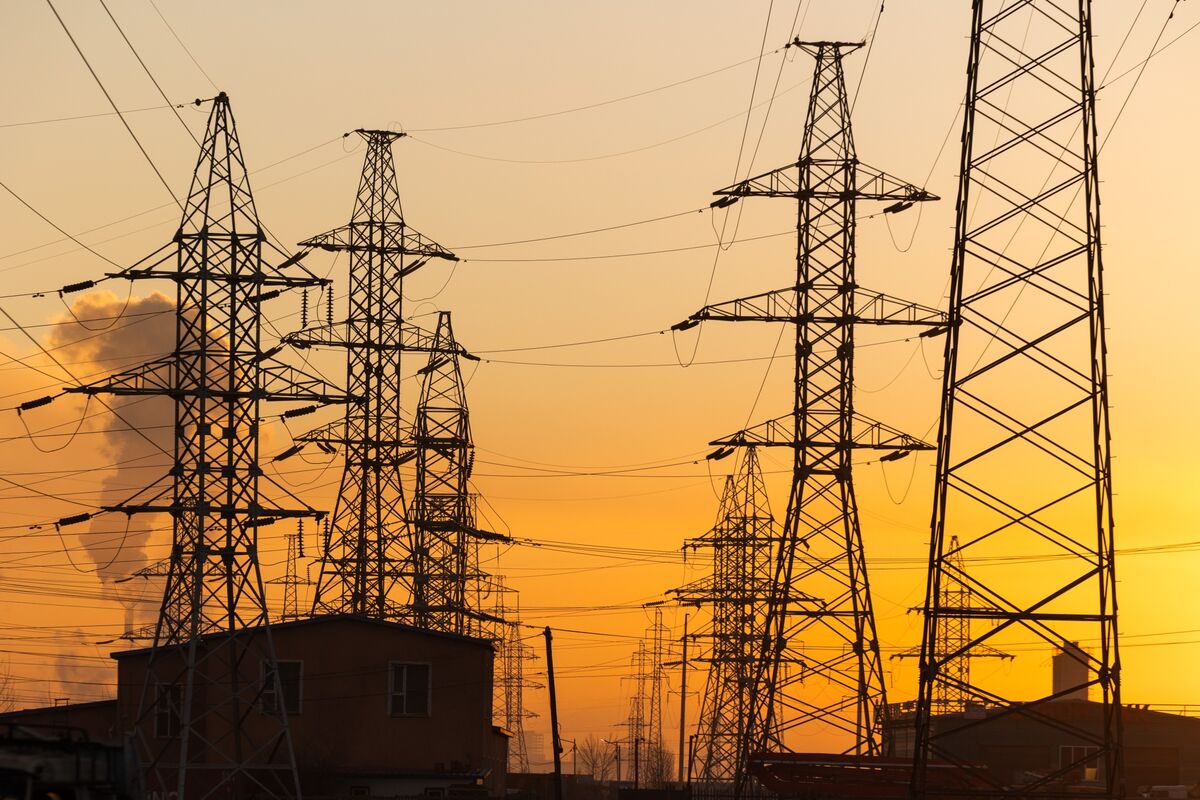
- Temasek has flagged that advances in AI could dramatically alter energy demands from a sector that’s pressuring global electricity grids.
What’s Still Unclear
- Regional variations and year-by-year breakdowns of AI energy demand growth beyond the 1% to 3% projection.
- Specific grid-resilience strategies tailored to different grid architectures in response to AI-driven loads.
- How near-term AI deployments will balance additional demand with potential efficiency gains in a detailed, sector-by-sector manner.
Context
Contextual background: The rapid expansion of AI technologies is driving growth in data-center demand for electricity, while grids seek ways to maintain reliability and efficiency as AI workloads become more prevalent. Studies and industry commentary emphasize the need for coordinated planning to manage spatial and temporal variability in energy use and to integrate clean energy sources effectively.
Why It Matters
Understanding AI-related energy demand is important for grid operators, policymakers, and technology developers. It informs infrastructure planning, investment, and the design of AI systems that balance performance with energy efficiency and grid stability.
What to Watch Next
- How AI-driven optimization in data centers affects regional grid load patterns.
- Development of policies or standards for aligning AI infrastructure growth with grid resilience goals.
- Advancements in AI-enabled energy storage, battery efficiency, and smart grid applications that demonstrate real-world energy savings.
- Regional case studies on data-center energy use and grid integration.
FAQ
Q: What is the expected share of data-center energy use by 2030?
A: Projections indicate data-center energy use could rise from about 1% in 2022 to over 3% by 2030.
Q: Are AI technologies only increasing energy demand?
A: Not necessarily—AI can also reduce energy use in some applications by improving storage, battery efficiency, and smart grid management, with reductions reported up to about 60% in certain cases.
Related coverage
- AI cybersecurity threat potential: AI models used to breach
- Anduril, Archer Unveil Thunder: Hybrid-Electric Tiltrotor
- OpenAI CEO Sam Altman to Brief U.S. Officials on AI safety
Source Transparency
- This article is based on a short preliminary brief and may not reflect the full details available in ongoing reporting.
- Source links are provided in the Sources section where available.
- A limited open-web check was used to clarify key details when possible; unclear items remain clearly marked.
Original brief: Advances in AI could dramatically alter the energy demands from a sector that’s pressuring global electricity grids, according to Temasek, Singapore’s state-owned investor…
Sources
- Advances and challenges in energy and climate alignment of AI …
- Electricity Demand and Grid Impacts of AI Data Centers: Challenges and …
- AI's energy dilemma: Challenges, opportunities, and a path forward
- [2509.07218] Electricity Demand and Grid Impacts of AI Data Centers …
- AI Power Demand: Data Center Growth Strains Global Grids