
Published 2026-07-22

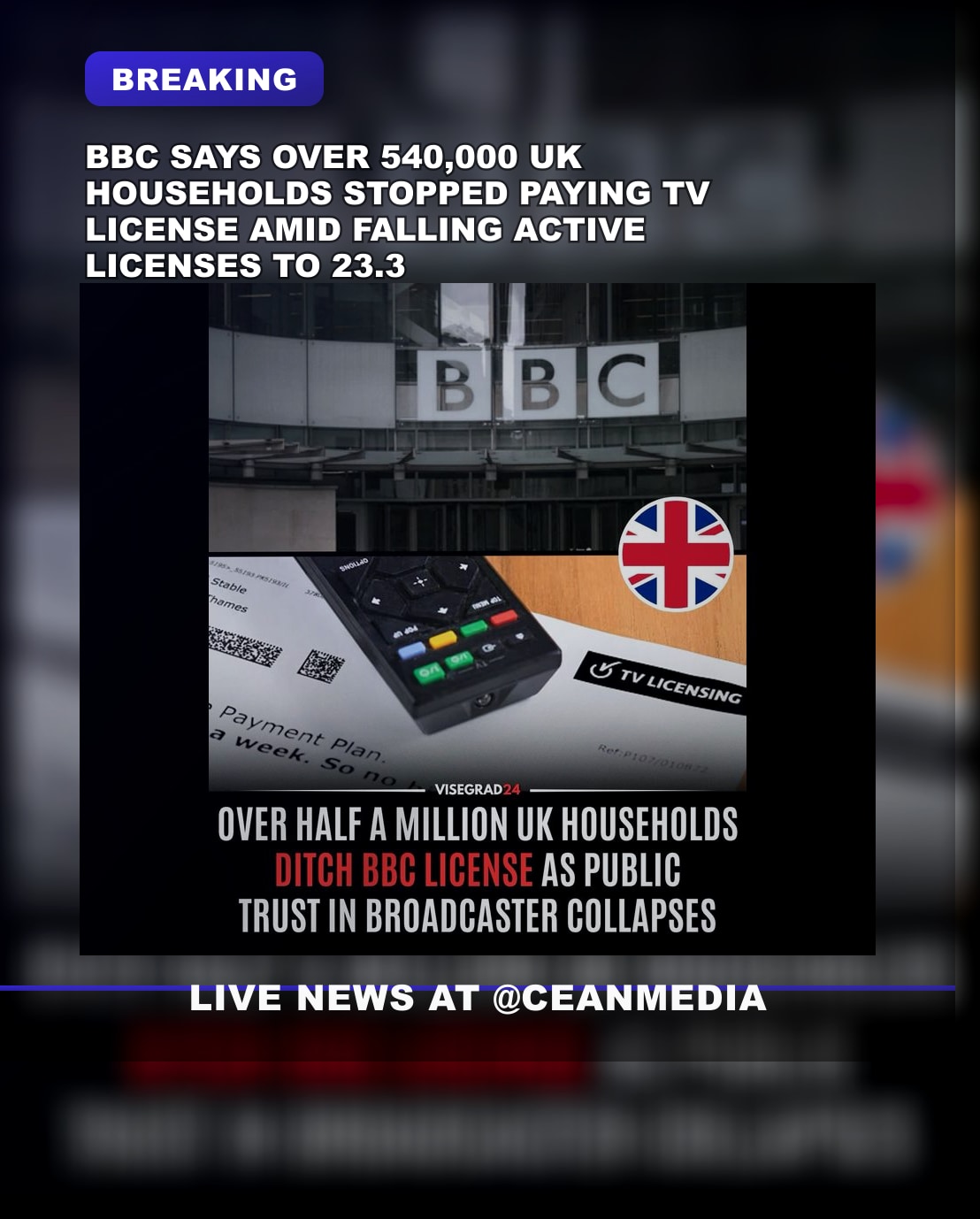
Summary: BBC licensing data shows a roughly 540,000 drop in active TV licences in the 2025/2026 financial year, bringing active licences down to 23.3 million from 23.8 million.
What We Know
- More than half a million UK households (540,000) stopped paying for a BBC TV license over the past year, according to the BBC’s latest annual report.
- The number of active BBC TV licences decreased from 23.8 million to 23.3 million by the end of the 2025/2026 financial year.
- The BBC attributes the trend to changes in licensing payments, though specific causal factors beyond this attribution are not detailed in the available information.
- The figures come from the BBC’s annual report and reflect the end-year licensing landscape for the 2025/2026 period.
- Reportedly, the BBC has noted an impact on revenue alongside the licence decline, with commentary suggesting inflation and other dynamics influence income timelines.
What’s Still Unclear
- Whether the 540,000 figure represents nonpayment rises specifically, or a broader change in licence status due to other factors.
- The exact year reference for the “this year” phrasing in related coverage versus the 2025/2026 financial year in official BBC data.
- Details on how the BBC plans to respond to licence nonpayment trends or shifts in licence sales.
- Quantitative breakdown by household categories (e.g., by region or income tier) for nonpayers or cancelled licences.
Context
The BBC funds its public broadcasting services through the TV licence model in the UK. Across recent years, reports have highlighted rising concerns about licence fee evasion and reductions in the number of active licences, with implications for funding and service planning.
Why It Matters
Changes in the number of active licences affect BBC funding and financial planning, potentially influencing investment in programming and services. The trend also reflects broader shifts in how households consume broadcast content and how they choose to pay for it.
What to Watch Next
- Follow-up data from the BBC on annual licensing revenue and its correlation with licenceholder numbers.
- Independent analyses assessing the impact of licence nonpayment on BBC operations and strategy.
- Any policy or regulatory responses related to licence enforcement or alternative funding models.
FAQ
Q: What does the 540,000 figure represent?
A: It is reported as a drop in active licences over the past year, but whether this precisely reflects nonpayment rises or includes other changes to licence status is not definitively clarified in the available information.
Q: Are there notes on how this affects BBC income?
A: Yes, sources indicate that income declined in real terms despite overall inflation, though specific numbers or breakdowns are not provided here.
Related coverage
- Manhunt for Escaped Prisoner Care Custody Underway in UK
- Reform UK’s 78-year-old Spokeswoman on Migration and
- Grooming gangs inquiry policy statement shocks UK patrols
Source Transparency
- This article is based on a short preliminary brief and may not reflect the full details available in ongoing reporting.
- Source links are provided in the Sources section where available.
- A limited open-web check was used to clarify key details when possible; unclear items remain clearly marked.
Original brief: More than half a million UK households (540,000) stopped paying for a BBC TV license over the past year, according to the broadcaster’s latest annual report, reducing the total number of active licenses from 23.8 million to 23.3 million.
While the BBC largely attributes the…
Sources
- TV licence fee evasion hits record high, new BBC data reveals
- 500,000 households cancel TV licence putting BBC future in jeopardy
- BBC bosses admit 'jeopardy' as 540k drop in TV licences hits incomes
- Half a million people stopped paying BBC licence fee in the past year …
- BBC faces 'real jeopardy' as licence fee payments fall faster than …