
Published 2026-07-26

Summary: A Pakistani immigrant in Japan describes choosing not to participate in Japanese school events or festive celebrations due to his children’s Muslim faith. The broader context includes a sizable Pakistani community in Japan, with a Muslim-majority background, but precise details on religious practices and participation vary and are not fully documented in the available sources.
What We Know
- Pakistanis in Japan form the country’s third-largest immigrant community from a Muslim-majority country.
- As of December 2024, official statistics showed 29,647 registered foreigners of Pakistani origin living in Japan.
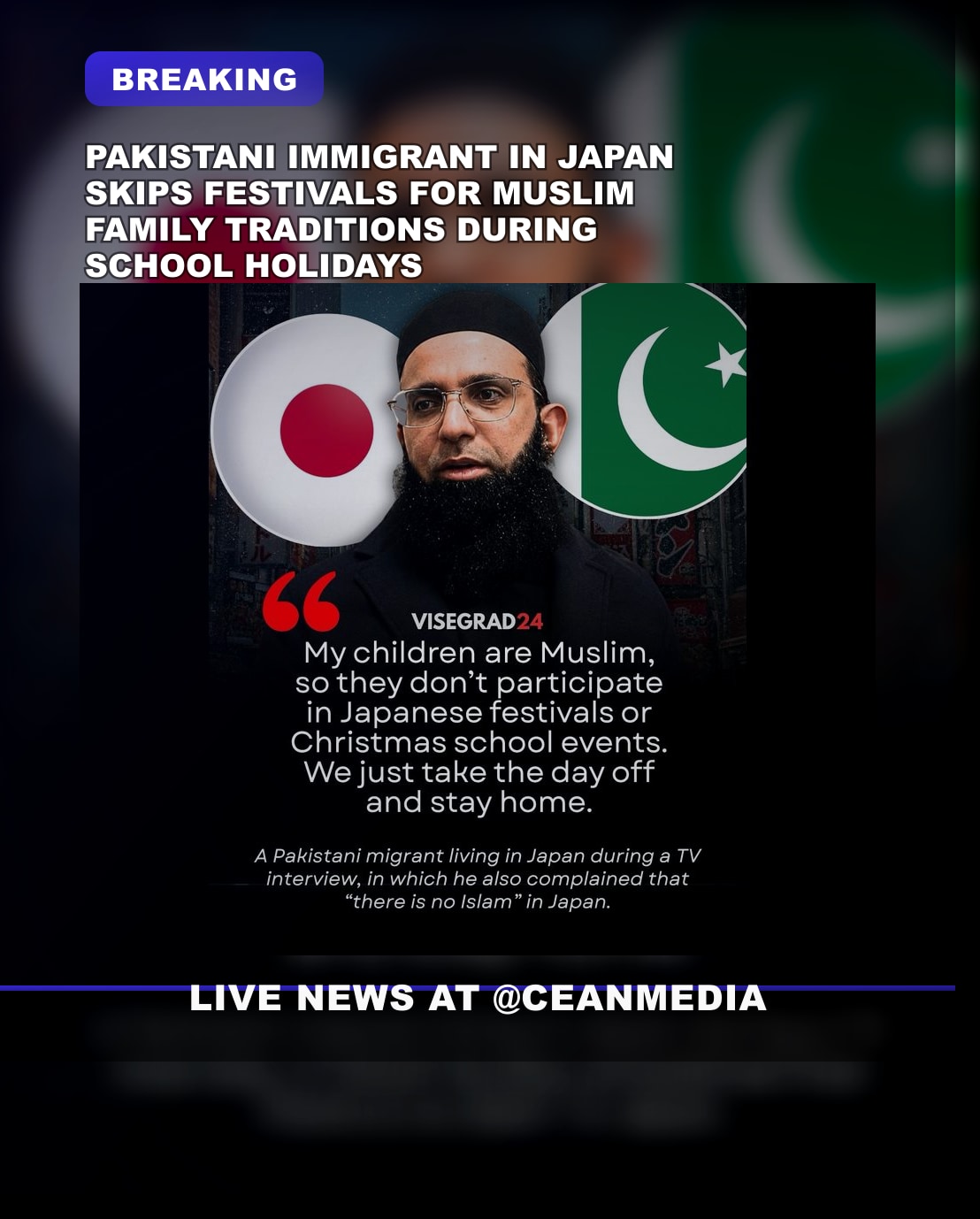
- A Pakistani man interviewed says his children are Muslim and do not participate in Japanese festivals, Christmas, or other school events, opting to stay home on those days.
- There is discourse in academic and policy circles about how multicultural co-living is approached in Japan, including how identities are negotiated among immigrant populations.
What’s Still Unclear
- The exact number of Pakistanis in Japan beyond December 2024 and whether undocumented Pakistanis significantly alter community size is not confirmed.
- Details on how many Pakistanis participate in labor pathways like the Technical Intern Training Program or other avenues are not specified in the available information.
- Specifics on how widespread cultural and religious identity choices are among Pakistani families in Japan are not clearly documented beyond the provided interview snippet.
Context
General background: Japan hosts immigrant communities from Muslim-majority nations, including Pakistan, with ongoing public and scholarly discussion about integration, multicultural policy, and the visibility of religious and cultural practices in schools and public life. The Pakistani community in Japan is noted as sizable among immigrants from Muslim-majority countries, but detailed on-the-ground practices can vary by family and region.
Why It Matters
Understanding how immigrant families navigate cultural and religious identities in a host country informs discussions on integration, education policy, and social cohesion. Individual choices about participation in school events can reflect broader questions of belonging, religious freedom, and cultural preservation.
What to Watch Next
- Updates on population figures for Pakistanis in Japan, including any shifts after 2024.
- Further reporting on how schools in Japan handle religious holidays and culturally diverse participation policies.
- Research or policy analyses on how Japan’s multicultural co-living discourse affects different immigrant communities.
- Stories exploring the range of identity choices within Pakistani families and other Muslim communities in Japan.
FAQ
Q: How many Pakistanis live in Japan?
A: Official statistics as of December 2024 list 29,647 registered foreigners of Pakistani origin; broader counts and undocumented numbers are not confirmed here.
Q: Do Pakistani families in Japan participate in local festivals?
A: In at least one interview, a family says they do not participate due to religious reasons and instead stay home on those days.
Related coverage
- Resilience as admired quality stirs resilience concerns in
- Wildfires Drive Mass Displacement: France, Spain —
- St Helier sexual assault conviction: Attacker convicted in
Source Transparency
- This article is based on a short preliminary brief and may not reflect the full details available in ongoing reporting.
- Source links are provided in the Sources section where available.
- A limited open-web check was used to clarify key details when possible; unclear items remain clearly marked.
Original brief: A Pakistani man living in Japan speaking in an interview:
“My children are Muslim, so they don’t participate in Japanese festivals or Christmas or other school events. We just take the day off and stay home.”
Sources
- Pakistanis in Japan – Wikipedia
- Pakistanis in Japan – grokipedia.com
- Negotiating citizenship and reforging Muslim identities: the case of …
- Pakistanis in Japan – Wikiwand
- Japanese-Pakistani Families | Oxford Research Encyclopedia of Asian …