
Published 2026-07-29

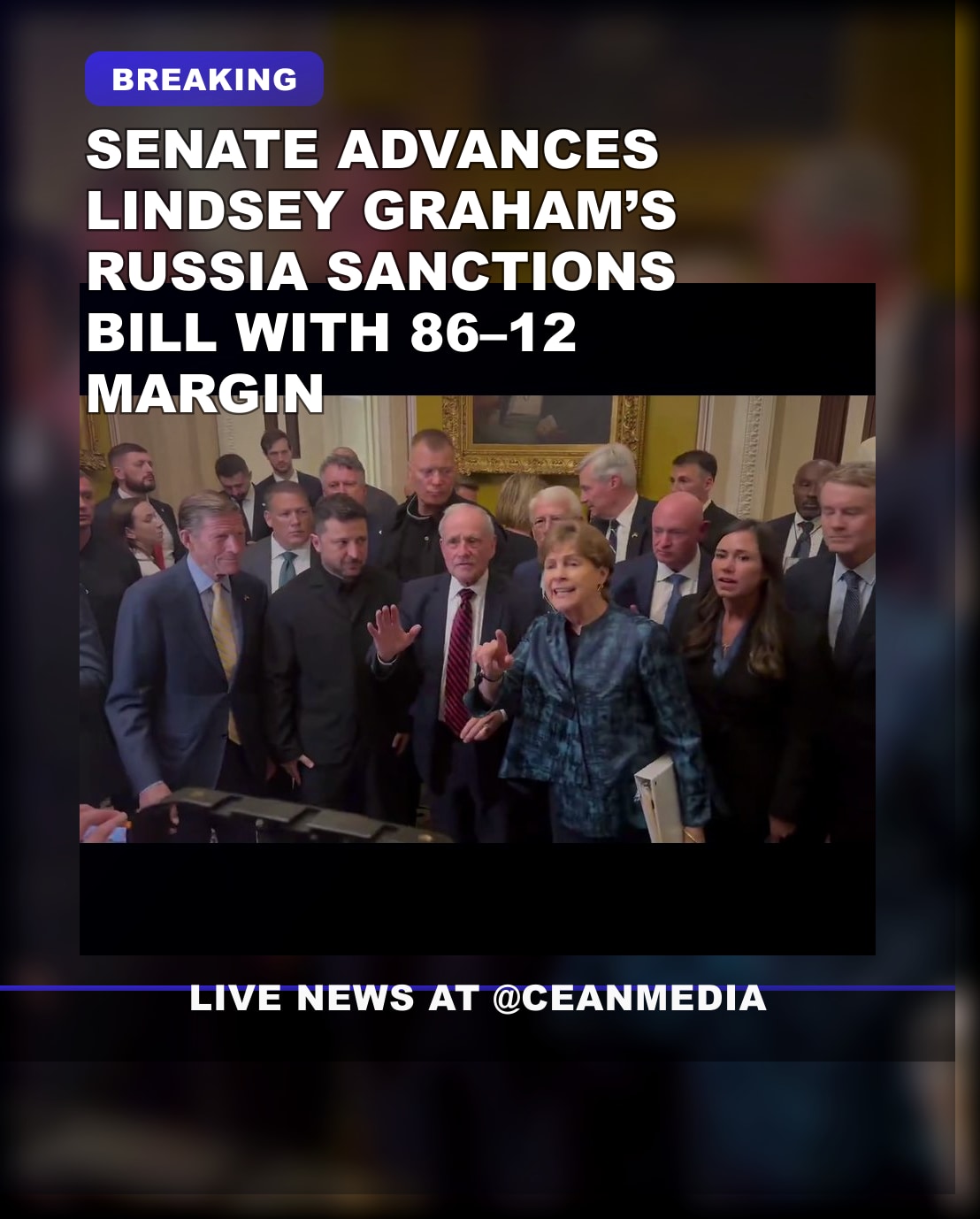
Summary: The U.S. Senate advanced Lindsey Graham’s Russia sanctions bill with an 86–12 vote, signaling strong bipartisan support as lawmakers honored the late senator. The measure would impose sanctions on Russia and authorize tariffs on certain other countries, including China and India.
What We Know
- The Senate advanced Graham’s Russia sanctions bill on an 86–12 vote, indicating broad bipartisan backing.
- The vote occurred in late July 2026 and followed tributes to the late Senator Lindsey Graham.
- Reportedly, the legislation aims to impose sanctions on Russian officials and to authorize tariffs on other countries, including China and India.
- Media coverage situates the development in a context of bipartisan cooperation and discussions with foreign leaders, including a meeting with Ukrainian President Zelensky around the time of the vote.
What’s Still Unclear
- The exact status of the bill beyond the procedural advancement (whether it has moved to final passage or remained in early floor stages) is not confirmed.
- Specific provisions, timelines, and scope of the sanctions and tariff authorities have not been detailed here.
- Any accompanying amendments or changes requested by different political actors have not been specified.
Context
Contextual background involves ongoing U.S. legislative efforts to tighten sanctions on Russia and to expand tariff-like pressures on selected countries. Discussions around the bill have occurred in a climate of cross-party cooperation and in the backdrop of evolving U.S. policy toward Russia and Middle Eastern and Asian partners.
Why It Matters
The measure, if enacted, could broaden economic and diplomatic pressure on Russia while potentially affecting trade relationships with other major economies. The bipartisan vote signals a degree of cross-aisle consensus on sanctions policy and foreign-economic strategy.
What to Watch Next
- Follow updates on the bill’s progression through the Senate and any negotiations with the House or the White House.
- Look for detailed text outlining the sanctions regimes, targets, and tariff authorities.
- Monitor any related foreign policy developments or statements from key lawmakers and leadership teams.
FAQ
Q: What does the bill do?
A: It seeks to impose sanctions on Russia and authorize tariffs on certain other countries, including China and India.
Q: What is the current status?
A: The available information indicates an 86–12 procedural advancement vote in late July 2026, but exact final passage status is not confirmed here.
Related coverage
- Judge defers ruling defamation case revision allowed in
- Opposition to Boys Muslim School Sparks Bay Shore Site Plan
- Trump Thune relationship strain deepens ahead of midterms
Source Transparency
- This article is based on a short preliminary brief and may not reflect the full details available in ongoing reporting.
- Source links are provided in the Sources section where available.
- A limited open-web check was used to clarify key details when possible; unclear items remain clearly marked.
Original brief: BREAKING:
The U.S. Senate advances Lindsey Graham’s “Russia sanctions bill” with 86 votes against 12…
Sources
- 86 senators vote to move forward with Graham Russia sanctions bill – Axios
- Senate advances Graham bill to put harsher sanctions on Russia, Iran
- ReutersUS Senate to vote on Russia sanctions bill in tribute to Graham
- Senate Advances Graham's Russia Sanctions Bill – The New York Times
- Senate overwhelming votes for Russia sanctions bill inspired by Graham