
Published 2026-07-31

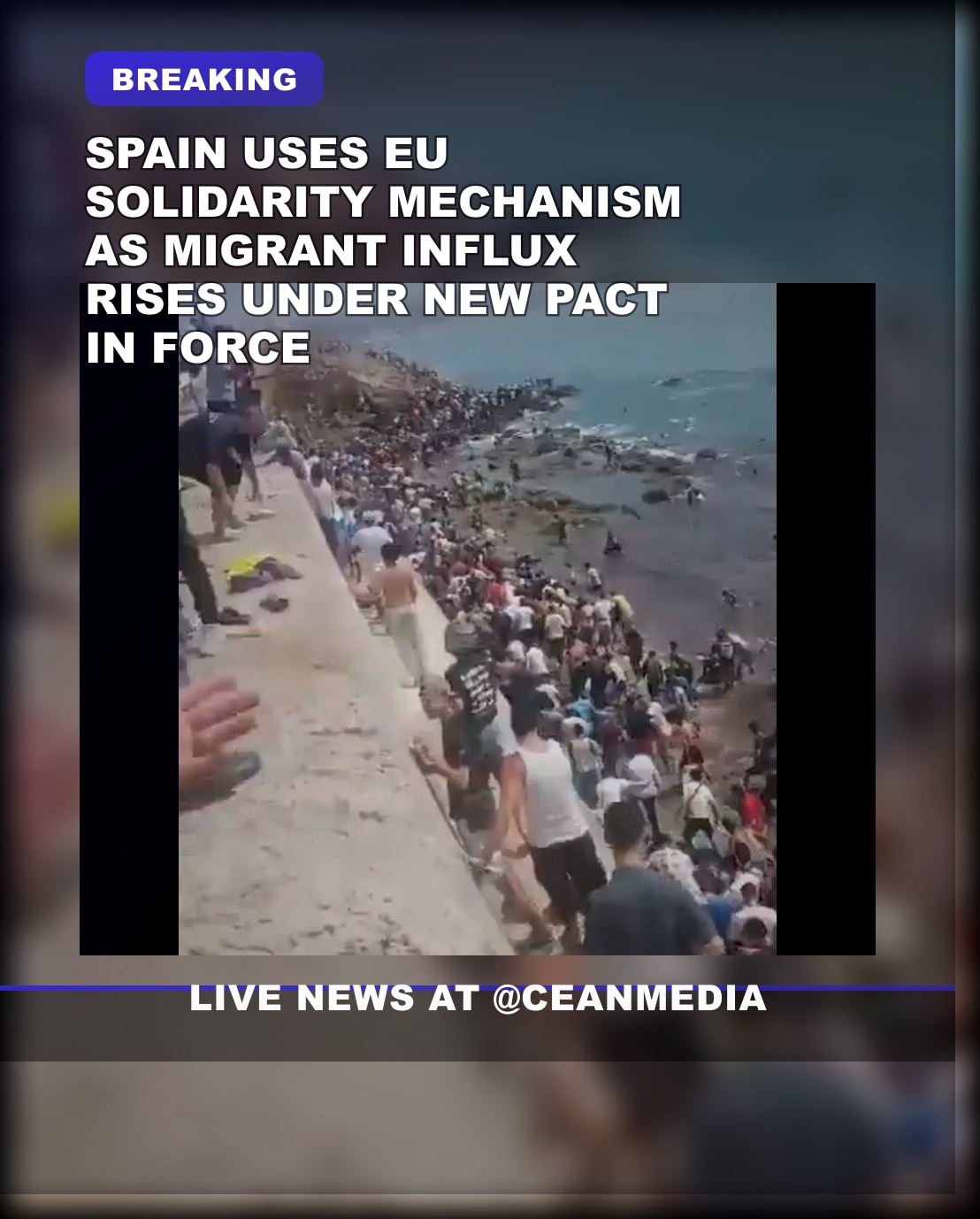
Summary: The EU’s Migrant Pact, formally adopted in 2024 and in force by June 12, 2026, activates the Solidarity Mechanism to share responsibility among member states when there is a sudden influx of irregular migrants. Spain is cited as a country where this mechanism could be invoked to accept asylum seekers from other EU states under enforced quotas.
What We Know
- The Pact on Migration and Asylum was formally adopted by the European Parliament in April 2024 and by the Council in May 2024.
- The Migrant Pact entered into force on June 12, 2026.
- The mechanism described is the EU Solidarity Mechanism, designed to redistribute asylum and migration duties among EU member states during large influxes.
- The mechanism obliges other EU states to take in people under a quota system when a country experiences a sudden surge, with Spain named as a context for such a scenario.
- Implementation of the pact involves multiple actors, including the European Commission, EU member states, and EU agencies, reflecting a complex governance arrangement.
What’s Still Unclear
- Exact operational details of how the Solidarity Mechanism is triggered in practice for a given influx, including thresholds and decision processes.
- Specifics of the size and composition of the solidarity pool, and which member states contribute versus receive under different circumstances.
- How rapid deployment and logistical support are coordinated across countries, agencies, and the Commission beyond high-level descriptions.
Context
Background context on EU migration policy and solidarity mechanisms shows that the EU has pursued a system of shared responsibility to manage asylum and irregular migration. The Pact on Migration and Asylum represents a framework intended to reform and streamline how states collaborate when migration pressure rises.
Why It Matters
The Solidarity Mechanism within the EU Migrant Pact aims to provide a legally structured method for redistribution of migrants among member states during spikes in arrivals, potentially reducing pressure on single countries and improving coordination across the EU. For countries like Spain, it establishes a formal channel to request or receive support from other member states under agreed quotas.
What to Watch Next
- Follow updates on how member states implement and operationalize the Solidarity Mechanism in real migration events.
- Look for clarifications from the European Commission on quota allocations and timelines for accepting or distributing arrivals.
- Monitor any country-specific case studies or indicators showing the mechanism in action.
- Assess how agencies coordinate with national authorities during a surge to ensure asylum procedures and processing are maintained.
FAQ
Q: When did the Migrant Pact come into force?
A: It came into force on June 12, 2026, following formal adoption of the Pact in 2024.
Q: What is the purpose of the Solidarity Mechanism?
A: To redistribute asylum and migration duties among EU member states during sudden influxes of irregular migrants, under a quota-based framework.
Related coverage
- Video shows a Spanish woman cheering as thousands of
- Slovenian PM Explains Why Moroccan Criminals Are Returning
- Catholic Bishop Warns of “Invasion” and Mass Islamization:
Source Transparency
- This article is based on a short preliminary brief and may not reflect the full details available in ongoing reporting.
- Source links are provided in the Sources section where available.
- A limited open-web check was used to clarify key details when possible; unclear items remain clearly marked.
Original brief: It’s worth remembering that the EU’s Migrant Pact came into force on June 12 2026
It means that when there’s a sudden big influx of illegal migrants arriving in a country (Spain), that country can use the EU’s Solidarity Mechanism.
It obliges other EU states taking in quota…
Sources
- Migration, EU solidarity is already a problem: four (including Italy …
- Effective system of solidarity and responsibility for managing asylum …
- Rethinking Solidarity and Responsibility in the EU Pact on Migration …
- Implementing the Pact on Migration and Asylum
- Brussels announces who'll get — and who'll pay for — new EU migration …