
Published 2026-08-01

Summary: The discussion around migration in Ceuta has centered on claims by the Spanish government regarding the scale of a migrant influx and subsequent returns to Morocco. Media reports describe a mass crossing event and concerns about the border situation, with varying characterizations of the situation as stabilized or overwhelmed. Not all claims are independently verified in the available sources.
What We Know
- A crisis at the Ceuta border in North Africa has led to public discussion about Spain’s migration policies.
- There are reports of a migrant influx into Ceuta from Morocco, with images and footage cited by various outlets.
- Spanish police have warned of possible collapse or overwhelm due to the mass migrant influx, indicating operational strain at the border.
- Media coverage notes Ceuta experiencing a surge of migrants crossing the border, though precise details and numbers vary by report.
What’s Still Unclear
- Whether the influx is being framed as a political claim by the government or as a factual description of events.
- The exact current status of the migrant situation (e.g., level of overwhelm, stabilization, or ongoing risk) beyond what different reports suggest.
- Official, cross-verified numbers on how many migrants may have returned to Morocco, or the overall scale of arrivals and returns, as no single figure is confirmed across sources.
- Specific statements from the Spanish government attributing causes (such as trafficking gangs or other factors) beyond what is reported in the briefs.
Context
Ceuta, a Spanish exclave on the North African coast, has historically been a focal point for migration flows between Morocco and Europe. The border area and policies surrounding entry have repeatedly drawn international attention amid incidents and media coverage depicting crossings and related security and humanitarian concerns. The current reporting reflects ongoing regional and political sensitivities regarding migration management in Spain and EU border policy.
Why It Matters
Migration surges at emblematic border points affect regional security, diplomatic relations between Spain and Morocco, and public policy debates within Spain and the EU about how to manage irregular border crossings, humanitarian needs, and border security resources.
What to Watch Next
- Official government statements clarifying the scale and status of the Ceuta migrant situation.
- Independent verification of reported numbers, including any returns to Morocco or onward movements.
- Updates from border authorities and international organizations on humanitarian assistance and border management measures.
- Continuing media coverage offering on-the-ground reporting from Ceuta and border facilities.
FAQ
Q: What is the current status of Ceuta’s border situation?
A: Available sources describe a migrant influx and concern among authorities, but exact status and numbers vary; not all claims are independently verified in the provided materials.
Q: Are there confirmed returns to Morocco?
A: The materials reference assertions about returns but do not provide a confirmed, cross-verified figure within the available information.
Related coverage
- Border crackdown Ceuta Morocco migrants: Migrants Storm
- Migrants Melilla court ruling: Sea Interceptions Spark
- Spanish troops Ceuta border move: troops spotted near
Source Transparency
- This article is based on a short preliminary brief and may not reflect the full details available in ongoing reporting.
- Source links are provided in the Sources section where available.
- A limited open-web check was used to clarify key details when possible; unclear items remain clearly marked.
Original brief: The migrant invasion of Spain was carefully planned
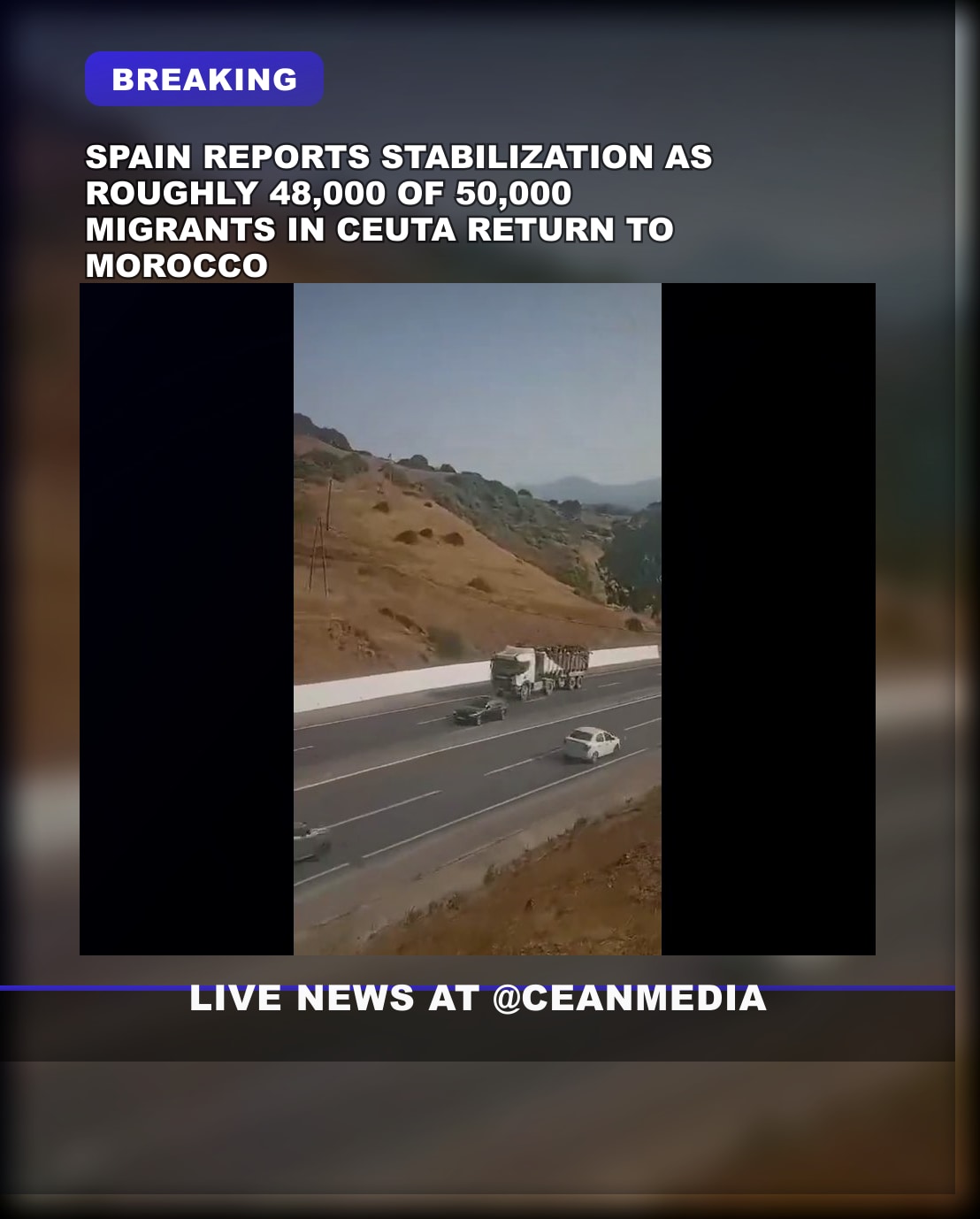
Meanwhile, the Spanish government is trying to claim that more than 48,000 of the roughly 50,000 migrants who illegally entered Ceuta have already returned to Morocco and that the situation has stabilized….
Sources
- FACT FOCUS: Migrant crossing in Spain's Ceuta breeds unsubstantiated claims
- Spanish police warn of collapse in Ceuta over mass migrant influx from …
- Thousands of Moroccan Migrants Cross Into Spanish Exclave Ceuta – TIME
- Spain's Ceuta In 'Chaos': What To Know About Migrant Surge
- Spain's Ceuta faces unprecedented migrant surge as 60,000 … – Firstpost