
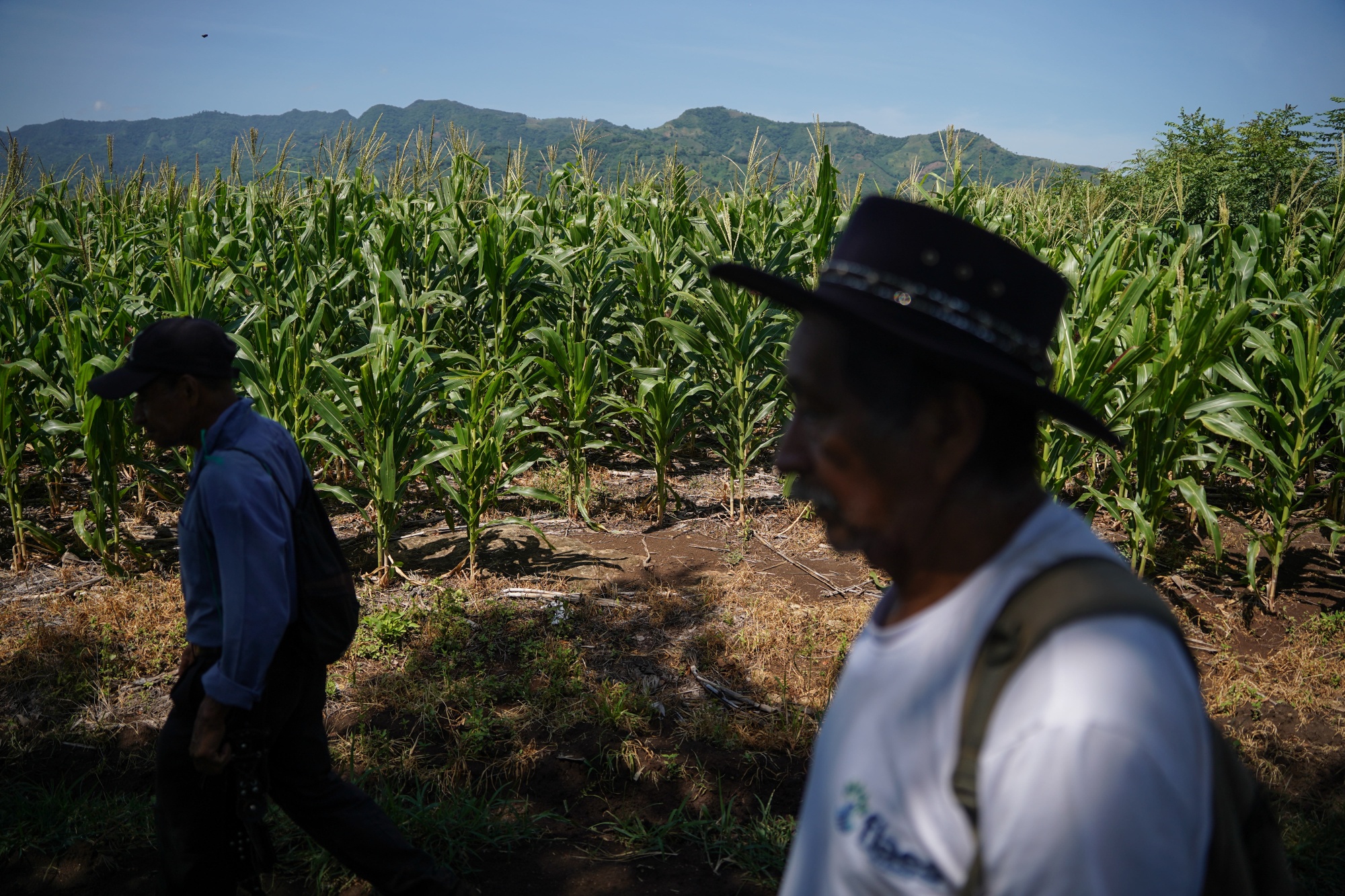
Published 2026-08-06
Summary: A growing El Niño threatens to add to global economic risks by disrupting commodity markets, elevating food prices, and creating systemic shocks that could impact emerging markets. Economists warn a potential “super” El Niño could extend global food price pressures into 2028, highlighting the need for preparedness among governments, investors, and businesses.
What We Know
- El Niño is associated with higher food prices and disrupted commodity markets, according to contemporary assessments.
- The combination of El Niño with existing economic risks could contribute to cost-of-living shocks in multiple regions.
- A potential “super” El Niño event is linked by analysts to a risk of a global food price shock lasting into 2028.
- Emerging markets in Asia, Africa and Latin America may face heightened threats from El Niño-related disruptions.
- Observers frame El Niño as a systemic, climate-linked risk that compounds other economic pressures, prompting calls for preparation by governments, investors and businesses.
What’s Still Unclear
- Exact magnitude and duration of regional economic impacts across different countries are not quantified in the available information.
- Specific channels through which labor productivity or demand patterns shift due to El Niño remain described in general terms without precise figures.
- Timing details for when different economies might experience the strongest effects are not confirmed in the current sources.
- Longer-term global economic scarring versus short-term fluctuations under El Niño are not clearly distinguished in the provided material.
Context
El Niño is a natural climate phenomenon that influences weather patterns worldwide. When coupled with ongoing global economic fragility, it can interact with markets for food, energy, and staples, potentially affecting inflation, trade, and investment sentiment. Analysts emphasize that the impacts can be uneven across regions and sectors, underscoring the importance of resilience planning.
Why It Matters
The possible escalation of food and commodity price volatility, along with broader trade and productivity effects, can influence household living costs, corporate planning, and government policy considerations. Recognizing and preparing for these risks may help mitigate disruption and support more resilient supply chains and investment strategies.
What to Watch Next
- Updates on El Niño intensity and duration as monitoring continues through the current cycle.
- Assessments of commodity price trends and potential implications for inflation and cost of living in affected regions.
- Policy and market responses from governments and central banks aimed at resilience and mitigation.
- Analyses of impacts on labor productivity and demand patterns in different economies.
FAQ
Q: What is the core concern about El Niño for the global economy?
A: That it could disrupt commodity markets and raise food prices, contributing to broader economic instability and cost-of-living pressures.
Q: Is there a scenario where El Niño could cause lasting global shocks?
A: Some analyses warn of a potential long-lasting global food price shock if a particularly intense or prolonged El Niño occurs, potentially extending into 2028.
Related coverage
- Employers Push for Canada Labour Code Review, Straining
- Terrassa violent assault arabs immigrants Terrassa
- Lebanese Maronite brothers wedding day attended sister’s
Source Transparency
- This article is based on a short preliminary brief and may not reflect the full details available in ongoing reporting.
- Source links are provided in the Sources section where available.
- A limited open-web check was used to clarify key details when possible; unclear items remain clearly marked.
Original brief: The powerful El Niño is a growing threat an already fragile global economy, forcing governments, investors and businesses to prepare for risks on multiple fronts…
Sources
- El Niño could be a systemic shock that we must prepare for
- El Niño Global Economy Impact — El Niño 2026 Tracker
- 'Super' El Niño could cause global food price shock lasting into 2028 …
- El Niño events have led to trillions in economic losses, and the 2026 …
- Super El Niño Risks Emerging Markets in Asia, Africa and Latin America