
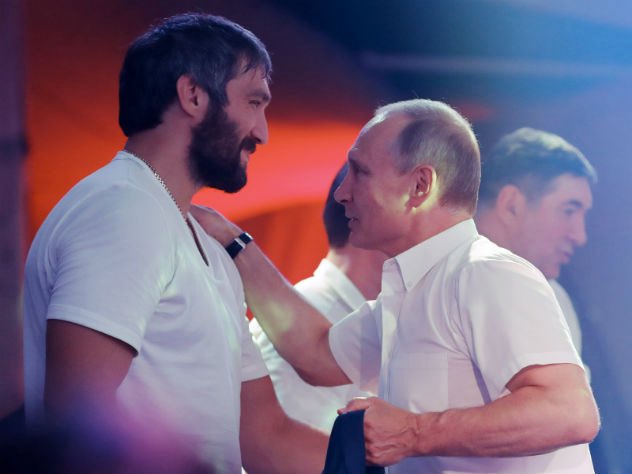
The Latvian government has blocked Russian ice hockey star Alexander Ovechkin from entering Latvia indefinitely and has formally declared him persona non grata. The decision comes alongside a similar travel ban on boxing official Umar Kremlev, signaling a broad diplomatic stance by Latvia amid ongoing geopolitical tensions.
What Latvia has done and who is affected
According to the government and foreign ministry statements, Latvia barred Alexander Ovechkin from entering the country indefinitely. A separate travel ban was imposed on Umar Kremlev, a boxing official linked with Russian interests. Latvia’s foreign ministry described both actions as part of travel bans and persona non grata measures.
Context and implications for regional diplomacy
The move is described in Latvian and international media as a formal inclusion of Ovechkin on Latvia’s list of undesirable persons. While the specific legal definitions and thresholds of “persona non grata” and “indefinite” entry bans are not detailed in the available summaries, the action aligns with Latvia’s broader stance toward Russian officials and public figures associated with the Russian government and its campaigns.
What is known and what remains unclear
From the available information, Latvia’s foreign ministry announced the measures, but details such as the exact grounds cited beyond general descriptors, the duration beyond “indefinite,” and the potential impact on any accompanying travel or related personnel are not fully specified. Different outlets quote Latvia’s minister of foreign affairs, Baiba Braže, as having included Ovechkin on the list of undesirable persons, but the public wording does not extend to a broader roster beyond the two individuals named in the current summaries.
Broader regional reactions and next steps
At this stage, there is no consolidated account within the available materials of immediate regional reactions from Latvia’s neighbors or from Moscow. Observers note that Latvia has signaled a firm stance toward individuals connected with the Kremlin’s apparatus, but the practical consequences—such as potential retaliatory measures or how this impacts other travel or sporting diplomacy—remain to be clarified by official statements and subsequent updates.
Analysis: This development should be understood in the context of Latvia’s ongoing posture toward individuals linked to the Russian state. While the exact legal mechanics are not fully spelled out in the current briefings, the designation of persona non grata is a formal instruction to deny entry and can have reputational and diplomatic ramifications beyond a single voyage. Notably, the information available does not confirm whether other figures linked to Russia were addressed in the same action beyond Ovechkin and Kremlev, but the pattern suggests a broader policy signal.
What to watch next: further official clarifications from Latvia’s foreign ministry, potential commentary from involved parties, and any subsequent travel advisories or legal explanations that illuminate the criteria and processes behind these determinations. For readers tracking geopolitics and sports diplomacy, this incident adds a data point on how states are using persona non grata designations in the region.
Sources
- Latvia puts Russian NHL star Ovechkin and boxing official on … – Yahoo
- Ovečkinu un Krievijas oligarhu iekļauj Latvijai nevēlamo personu …
- Браже внесла в “черный список” российского хоккеиста Овечкина
- Putina atbalstītājs, hokejists Ovečkins un Trampa dēla kāzu finansētājs …
- Latvia's Magnitsky Law Sanctions List – OpenSanctions
Reporting note: CEAN reviewed the available brief alongside the public sources linked below. This report may be updated as confirmed details develop.


