
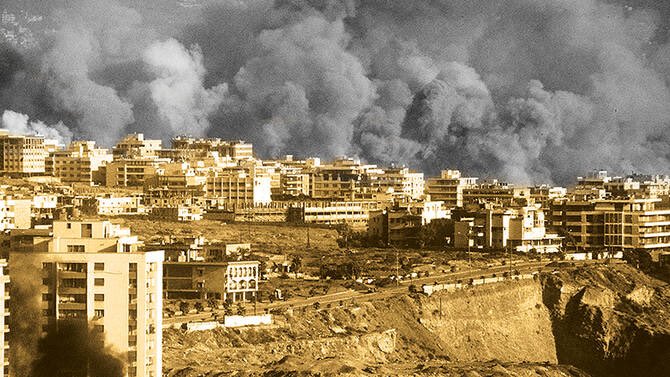
In 1969, the Cairo Agreement significantly reshaped the administrative landscape of Lebanon’s Palestinian refugee camps. Under this agreement, Lebanon ceded control of 16 UNRWA camps housing around 300,000 refugees from the jurisdiction of its military intelligence, the Deuxième Bureau, to the Palestinian Armed Struggle Command. This transfer effectively made Lebanon a stronghold for the Palestine Liberation Organization (PLO), allowing it greater operational freedom within the country.
The Cairo Agreement marked a turning point in Lebanon’s complex political and security landscape. It formalized the presence of the PLO on Lebanese soil and granted the organization significant autonomy within the refugee camps. This shift was driven by the PLO’s increasing influence and the Lebanese government’s desire to contain rising tensions, although it also drew Lebanon further into regional conflicts centered around the Israeli-Palestinian struggle.
Despite the advantages for the PLO, the agreement also intensified internal divisions within Lebanon. Critics argued that the camps’ new status contributed to escalating militancy and violence, undermining Lebanese sovereignty and security. The refugee population, meanwhile, remained in a precarious state, caught between multiple factions vying for influence within Lebanon’s tumultuous political environment.
The fallout from the Cairo Agreement persisted for decades, influencing Lebanon’s internal stability and its approach to Palestinian affairs. While it empowered the PLO temporarily, it also sowed seeds of ongoing conflict that would eventually culminate in Lebanon’s civil war in the 1970s. Today, the legacy of the agreement underscores the complex interplay between regional politics and Lebanon’s ongoing challenges with sovereignty and security.