
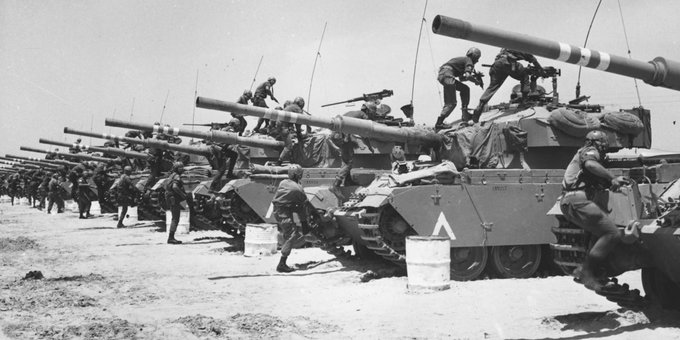
The recent anniversary of the Six-Day War marks over five decades of profound displacement for the Palestinian population, with more than 280,000 individuals forced from their homes during the conflict. The war, which took place in June 1967, resulted in Israel’s rapid military victory and the occupation of the West Bank, Gaza Strip, and East Jerusalem—territories that remain central to the Israeli-Palestinian dispute today.
Despite the lessons painfully learned from the traumatic events of 1948, which saw the mass exodus of Palestinians from their homeland, their leadership continued to pursue policies perceived as fostering radicalization. Instead of pursuing negotiations or peaceful resolutions, factions within the Palestinian movement opted for a confrontational approach. This trajectory contributed to a cycle of violence and militancy that has persisted for decades.
By the late 1960s, organizations such as the Palestine Liberation Organization (PLO) and Fatah had become heavily involved in escalating militant activities. Reports indicate that during this period, external influences—including intelligence agencies like the KGB—were involved in promoting a reckless approach to resistance, further complicating efforts toward peace. These developments solidified a pattern of armed struggle as a central strategy for Palestinian factions, shaping the regional landscape for years to come.
As the anniversary draws attention to the ongoing impact of displacement and militant resistance, many analysts suggest that a deeper reflection on past mistakes and a renewed push for diplomatic solutions are necessary to break the cycle of conflict. The history of the region continues to underscore the importance of measured leadership and international engagement in seeking a comprehensive resolution.