
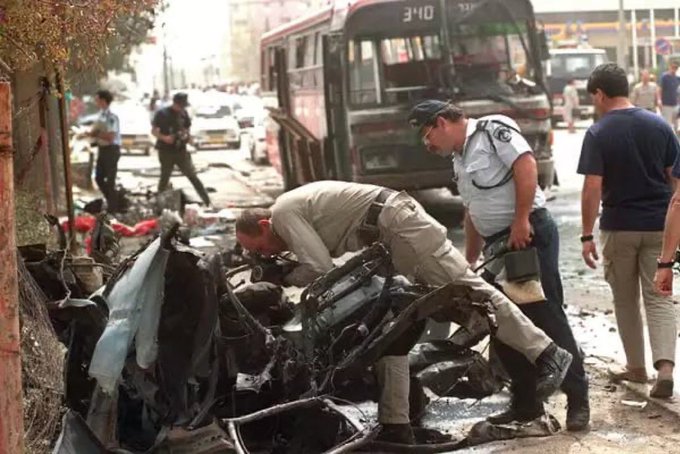
In response to recent peace negotiations, Palestinian militant groups such as Hamas and Islamic Jihad have expressed staunch opposition, resorting to coordinated attacks against Israeli targets. Their resistance has notably intensified tensions, undermining efforts toward a peaceful resolution and escalating the ongoing cycle of violence in the region.
One of the most notorious incidents in this violent timeline was the April 6, 1994, suicide bombing in the northern Israeli city of Afula. Hamas claimed responsibility for blowing up a bus, killing 22 civilians and injuring dozens more. The attack marked one of the deadliest acts of terrorism during that period, casting a long shadow over subsequent peace initiatives.
Domestic and international skepticism grew regarding Palestinian leader Yasser Arafat’s commitment to curbing violence. While Arafat publicly supported peace efforts, many Israeli officials questioned whether he genuinely sought a peaceful resolution, citing ongoing unrest and the failure to prevent attacks. These concerns fueled mutual mistrust, complicating diplomatic endeavors and threatening the broader prospects for stability in the region.