
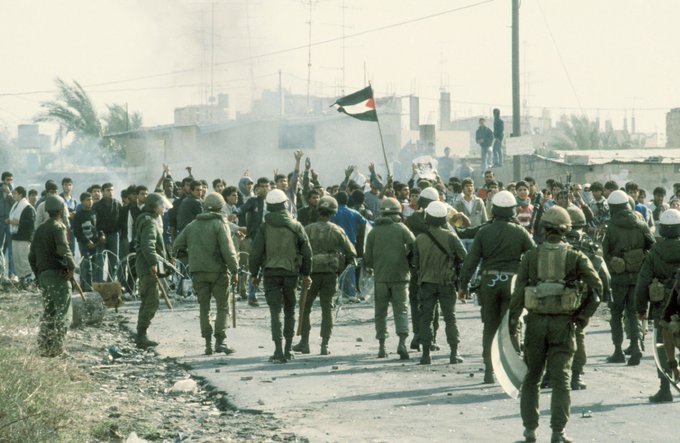
Students worldwide have been rallying with chants advocating for “globalizing the Intifada,” a call that has resonated across protests in recent years. However, many of these protesters lack a comprehensive understanding of what an Intifada truly entails, often using the term without grasping its historical and political significance.
Historically, the term refers to Palestinian uprisings against Israeli occupation, with the First Intifada occurring from 1987 to 1993 and the Second from 2000 to 2005. Both movements involved widespread protests, civil disobedience, and violence, aiming to draw international attention to Palestinian grievances. While they galvanized support and brought issues of occupation to global notice, they also deepened divisions and violence, complicating peace efforts.
Experts warn that such movements, especially when misunderstood or generalized, risk fueling hostility rather than fostering understanding. The original Intifadas, though significant in highlighting Palestinian aspirations, contributed to prolonged conflict and mistrust between Israelis and Palestinians. As slogans calling for globalized uprisings echo worldwide, educators and peace advocates emphasize the importance of understanding history to promote informed dialogue rather than further polarization.