
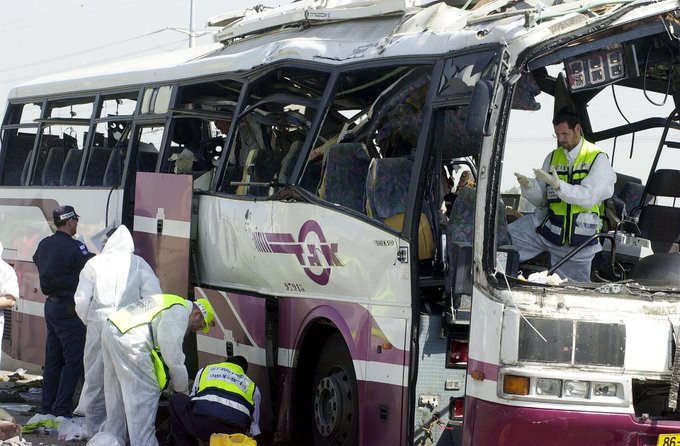
The Second Intifada, a period of intensified Israeli-Palestinian conflict, erupted in September 2000 just two months after the collapse of peace negotiations at Camp David. The violence was triggered by the controversial visit of Israeli opposition leader Ariel Sharon to the Temple Mount in Jerusalem on September 28th, a site sacred to both Jews and Muslims. His visit was seen by many Palestinians as provocative, igniting widespread protests and riots across the West Bank and Gaza Strip.
Following Sharon’s visit, clashes between Palestinians and Israeli security forces quickly escalated into a full-blown uprising. Palestinian militants, including Hamas and other groups, launched a series of terrorist attacks targeting Israeli civilians and infrastructure. The violence resulted in significant casualties on both sides and marked a sharp shift from previous periods of negotiations and limited conflict. The Second Intifada would go on to last for several years, profoundly affecting the trajectory of the Israeli-Palestinian conflict and shaping regional security dynamics.
Despite numerous attempts at peace talks and ceasefire agreements over the years, the Second Intifada left deep scars, hardening positions and leading to increased military and security measures. The conflict also drew international attention to the ongoing struggle over Jerusalem and the broader issues of sovereignty, refugees, and territorial boundaries. As the violence subsided in the subsequent years, the legacy of the Second Intifada continued to influence negotiations and peace efforts in the region.