
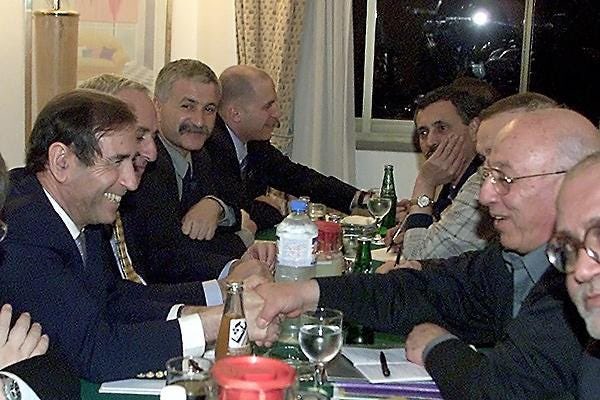
In January 2001, Palestinian leader Yasser Arafat rejected the Clinton Parameters during the Taba talks, a series of negotiations aimed at resolving the Israeli-Palestinian conflict. The proposal, mediated by then-U.S. President Bill Clinton, offered significant territorial concessions to the Palestinians, including the possibility of establishing a state in most of the West Bank. Arafat’s decision to turn down the framework marked a critical setback in the peace process, with Palestinian negotiators citing concerns over sovereignty and sovereignty-related issues.
Despite the offer on the table, the Palestinians did not present a formal counterproposal during the Taba negotiations. Instead, factions within the Palestinian leadership reportedly viewed the proposal as insufficient and feared losing key territorial claims. Meanwhile, some Palestinian groups continued to employ violence as a form of leverage, launching attacks against Israeli civilians in the period leading up to the failure of the talks. These acts of violence further complicated efforts to reach an agreement, fostering distrust and hardening positions on both sides.
The rejection of the Clinton Parameters and ongoing violence signaled a deepening impasse in the peace process as the year 2001 unfolded. Many diplomats lamented that missed opportunities and a lack of mutual compromise hindered progress toward a two-state solution. The political landscape in both Israel and Palestine remained tense, with negotiations stalling amid escalating violence, reflecting the profound challenges facing peace efforts at the dawn of the new century.