
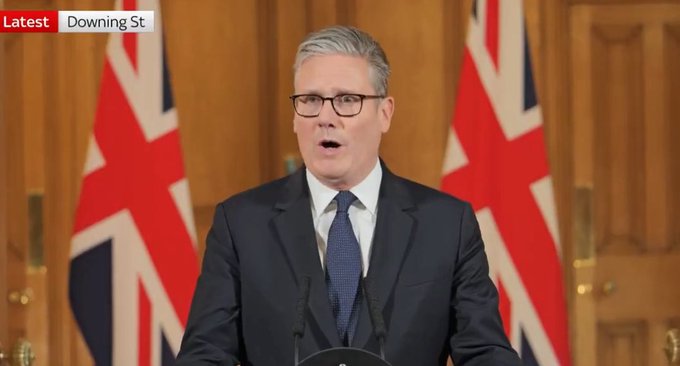
In a surprising development, Labour Leader Keir Starmer announced that the United Kingdom will recognize a Palestinian state in September, aligning with France’s recent move on the issue. The decision marks a significant shift in UK foreign policy and has elicited mixed reactions from international observers and domestic political groups.
Starmer’s statement came amid heightened tensions in the Middle East, following recent violence involving Hamas and Israeli forces. Critics argue that the timing and context of this announcement suggest a controversial approach, with some accusing the UK and France of rewarding militant groups for acts of terrorism. Specifically, widespread concern has been raised over the alleged implications of recognizing a Palestinian state amid ongoing violence, which has resulted in over 1,000 civilian deaths and the kidnapping of 251 hostages.
The move has sparked debate among lawmakers and the international community about the potential impacts on regional stability and peace prospects. Opponents warn that such recognition could embolden militant factions and complicate diplomatic efforts to de-escalate hostilities, while supporters contend that it is a step toward acknowledging Palestinian aspirations and promoting long-term peace.
Both Prime Minister Emmanuel Macron of France and Keir Starmer emphasized their commitment to a two-state solution, though critics question whether this latest step will advance or hinder peace efforts. As the UK prepares to formalize its stance in September, the global community watches closely, wary of how this decision might influence future negotiations and the broader Middle East peace process.