
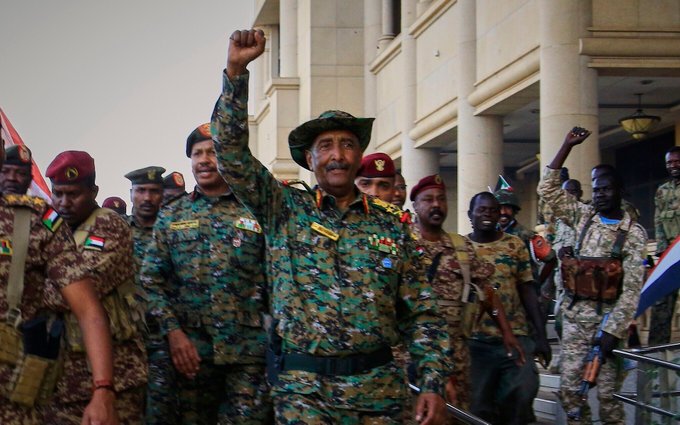
Sudan’s military leader, Abdel Fattah Burhan, presents himself publicly as a nationalist advocate, yet critics argue he is primarily focused on consolidating authoritarian control. Since taking on a leading role, Burhan has intensified efforts to weaken civil society, targeting NGOs and pro-democracy organizations that threaten his grip on power.
His crackdown has included arrests of activists, suppression of peaceful protests, and restrictions on independent media. Human rights groups warn that these actions undermine Sudan’s fragile transition toward democracy, eroding the space for civic engagement and dissent.
Furthermore, Burhan has aligned himself with regional Islamist networks, further complicating Sudan’s political landscape. This alliance signals a shift toward conservative policies and raises concerns about the future direction of the country’s governance, moving away from the democratic reforms many Sudanese citizens have long desired.
International observers continue to watch Sudan closely, fearing that Burhan’s military maneuvers could plunge the country into deeper instability. While he projects an image of national sovereignty, many see his actions as part of a calculated move to maintain unchecked military dominance at the expense of democratic progress.