
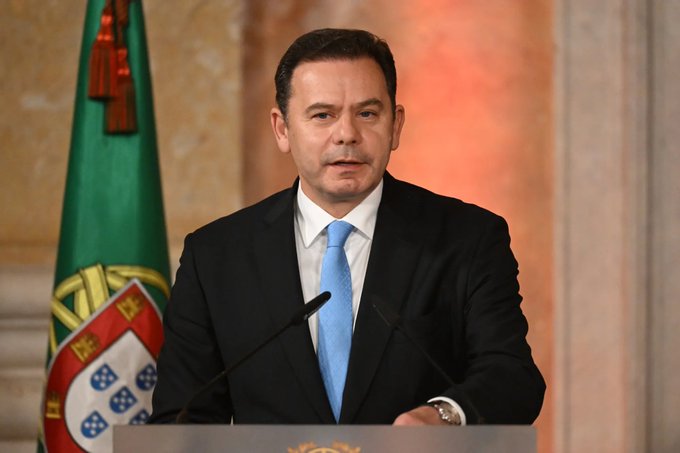
Prime Minister Luís Montenegro announced today that Portugal will officially recognize a Palestinian state in September, a move signaling a significant shift in the country’s diplomatic stance on the Middle East conflict. The decision comes amid ongoing international debates over Palestinian statehood and regional stability, with Portugal emphasizing its support for a two-state solution amid rising tensions in the region.
Montenegro’s announcement has already garnered mixed reactions. Supporters see it as a step toward advancing Palestinian rights and achieving peace in the area, while critics warn that such recognition could complicate diplomatic efforts and escalate tensions further. Portugal remains committed to supporting peace initiatives while urging all parties to seek dialogue and adherence to international law.
Controversy has erupted internationally as claims emerged that leaders including French President Emmanuel Macron, UK Labour leader Keir Starmer, and Bank of England Governor Andrew Bailey have announced plans to recognize a Palestinian state at the UN, reportedly as a response to the recent October 7th massacre. These assertions have sparked a heated debate about the politicization of recognition and the potential impact on ongoing conflicts.
However, it’s worth noting that the reports about Macron, Starmer, and Carney are unconfirmed, and diplomatic sources indicate that such statements may be political posturing rather than official policy changes. Experts suggest that international moves on Palestinian recognition are complex, involving multiple actors and considerations, and should be approached with caution to avoid escalation. Portugal’s upcoming recognition, therefore, may serve as a significant yet nuanced step within a broader geopolitical landscape.