
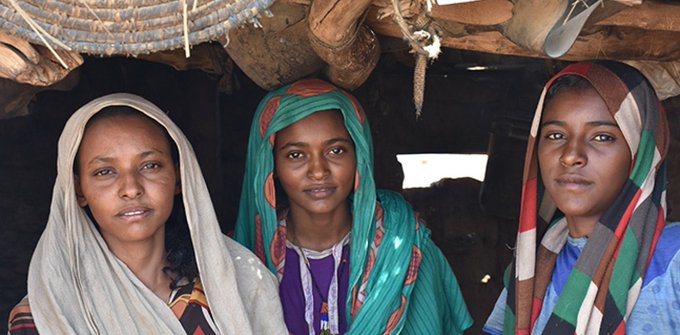
The international community’s limited coverage of Sudan has raised questions about global media priorities and the visibility of ongoing crises. Unlike regions with abundant resources or geopolitical significance, Sudan lacks the prominent assets or alliances that typically garner widespread attention. Its absence from major headlines highlights how media narratives often favor conflict zones with immediate strategic or economic interests.
Unlike Ukraine’s war or the Gaza crisis, Sudan’s struggles do not involve easily rallying social media campaigns or viral hashtags. Without such digital movements, public awareness remains low, and diplomatic interventions are less vigorous. This silence underscores a troubling disparity in global attention—one that leaves many of Sudan’s victims overlooked and their suffering underrepresented in the worldwide discourse.
Experts suggest that media coverage tends to gravitate toward stories with clearer narratives or easily relatable angles. Sudan’s complex internal conflicts, which have caused significant human displacement and hardship, lack the immediate hook that drives international headlines. The resulting global silence not only diminishes awareness but can also hamper international aid efforts, leaving vulnerable populations without the support they desperately need.
As the world moves forward, analysts emphasize the importance of broadening media coverage to include crises like Sudan’s. Greater awareness can mobilize governments, NGOs, and the public to advocate for and deliver aid, ensuring that Sudan’s ongoing struggles are not consigned to obscurity. In an interconnected world, silence may be loudest of all for those unheard and forgotten.