
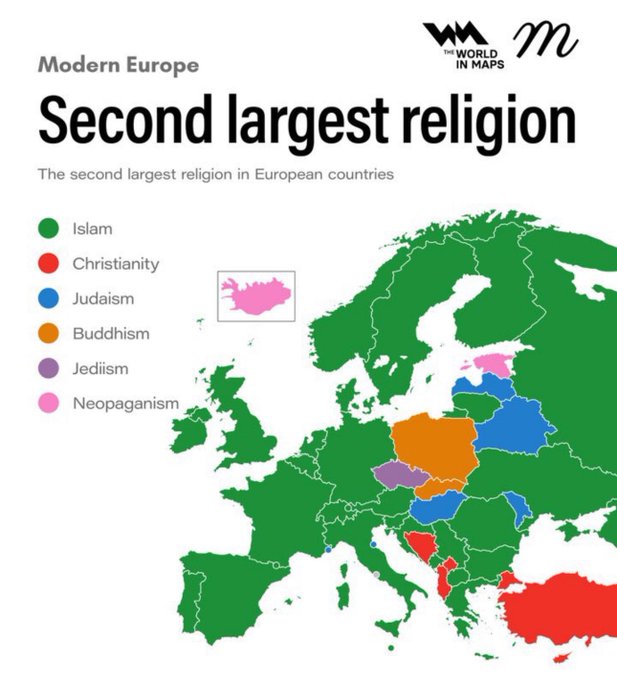
Neopaganism has experienced a significant rise in popularity across Estonia in recent years, reflecting a wider resurgence of traditional and alternative spiritual practices among the population. Enthusiasts of neopagan beliefs emphasize a renewed connection to nature, ancestral traditions, and pre-Christian Estonian heritage. The movement, once fringe, is now gaining mainstream attention, with growing numbers participating in rituals, festivals, and community events centered around pagan symbolism and practices.
Estonian neopagan groups often organize outdoor ceremonies that celebrate seasonal changes, such as summer solstice and winter solstice, drawing participants from diverse age groups. Experts suggest that this trend may be driven by a combination of cultural revival, dissatisfaction with institutionalized religion, and a growing desire to reconnect with Estonia’s historical roots. Local authorities have noted increased interest, leading to the establishment of dedicated spaces and supportive policies to accommodate the movement.
While neopaganism remains a minority religion in Estonia, its influence is evident in the cultural landscape. Some schools and cultural institutions have incorporated elements of pagan heritage into their programs to promote awareness and understanding. As the movement continues to expand, it reflects a broader shift in Estonian society towards embracing diverse spiritual identities and reexamining national history through a modern lens.