
Published 2026-04-17

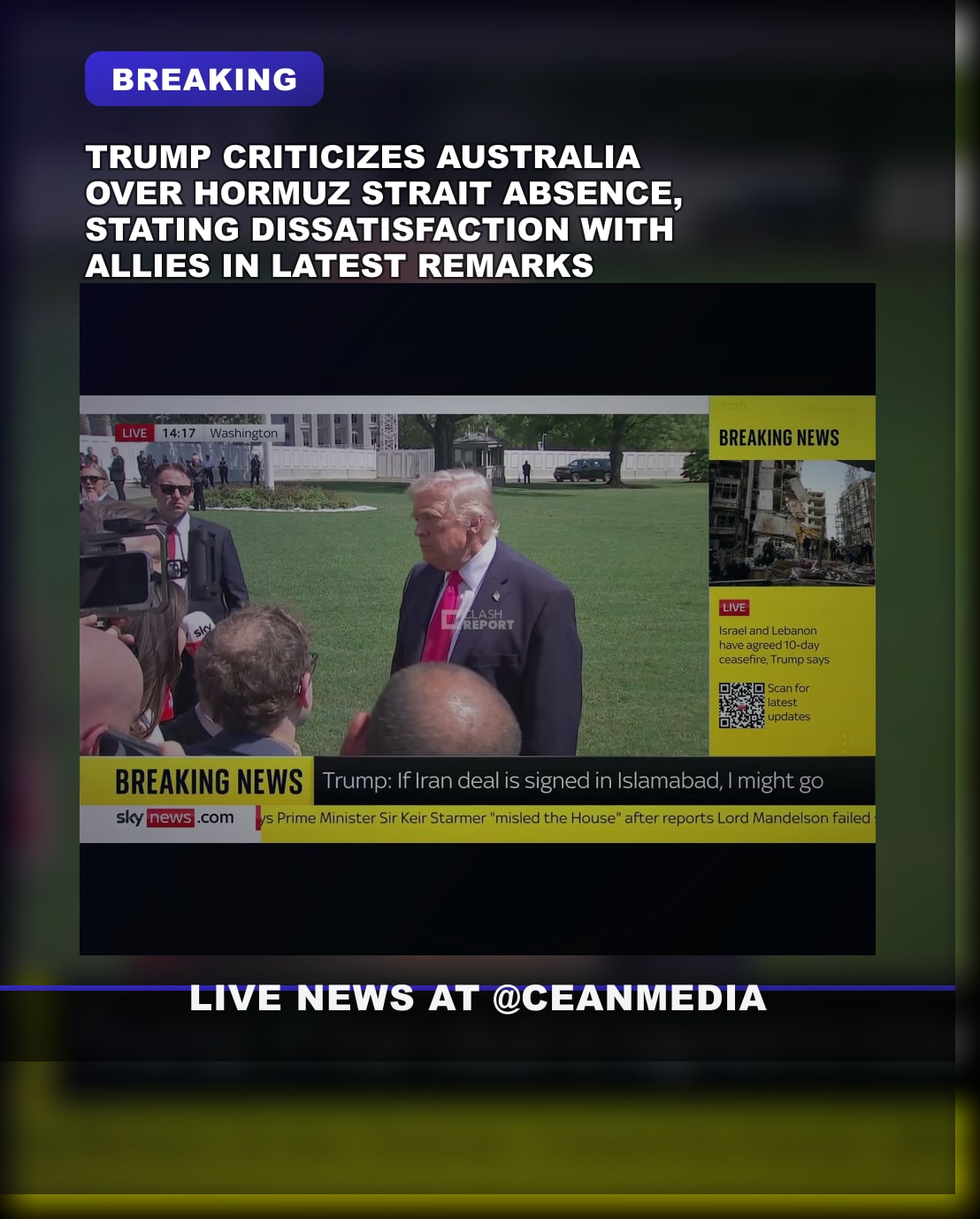
Summary: President Donald Trump expresses dissatisfaction with Australia over its stance on the Hormuz Strait, amid reports of a looming blockade of the sea lane. The dynamic involves claims of a U.S. Navy blockade and disputes over allied support in facilitating access to the strait.
What We Know
- Trump says he is unhappy with Australia because they weren’t there for the Hormuz Strait.
- Reports indicate the United States is moving toward a blockade of the Strait of Hormuz, with the blockade set to apply to ships entering or leaving the strait.
- Trump has claimed the Navy will intercept vessels that have paid tolls to Iran to transit the Strait of Hormuz.
- The blockade narrative follows reports of a collapse of talks with Iran.
- Context suggests the situation is tied to threats or actions aimed at reopening or controlling access through the strait as part of broader foreign policy moves.
What’s Still Unclear
- Whether Australia has formally sent warships or declined to send troops to aid in opening the strait is not consistently corroborated across reports.
- The exact date when any blockade would become active and the operational details remain unresolved in the available information.
Context
The Strait of Hormuz is a strategically critical waterway linking Persian Gulf oil exports to global markets. International debates over access and security in the region often intersect with broader U.S. foreign policy and alliance considerations.
Why It Matters
Blockading a major shipping lane has wide-ranging implications for global energy markets, regional security, and alliance dynamics. The level and type of allied involvement can influence the legitimacy and effectiveness of any such action as well as potential retaliation or pushback from affected actors.
What to Watch Next
- Any official statements from the U.S. administration regarding the status and scope of the Strait of Hormuz actions.
- Updates on Australia’s or other allies’ responses or contributions related to maritime security in the region.
- Verification of the operational details and targets of any naval measures claimed or planned.
- Reactions from Iran and other regional players to evolving strategies around the strait.
FAQ
Q: What is the claim about a blockade of the Strait of Hormuz?
A: Reports indicate a blockade would apply to ships entering or leaving the strait, with intercepts potentially targeting vessels that paid tolls to Iran. Details vary by source.
Q: What is the stance of Australia according to the reports?
A: One account quotes Trump expressing disappointment that Australia was not more supportive; other reports do not consistently confirm specific Australian actions.
Related coverage
- Pollution climate action commitment: Are the big polluters
- Malaysia Considers New foreign worker recruitment system
- Trump pushes weapons production shift incentives for
Source Transparency
- This article is based on a short preliminary brief and may not reflect the full details available in ongoing reporting.
- Source links are provided in the Sources section where available.
- A limited open-web check was used to clarify key details when possible; unclear items remain clearly marked.
Original brief: Trump:
“I’m not happy with Australia because they weren’t there for us at the Hormuz Strait”…
Sources
- US Navy will begin Strait of Hormuz blockade, President Donald Trump …
- Donald Trump 'very surprised' Australia declined to send troops to …
- Why Trump is threatening to blockade a strait that Iran is already …
- Trump announces Strait of Hormuz blockade after Iran talks collapse
- U.S. begins Strait of Hormuz blockade, Trump warns Iran ships