
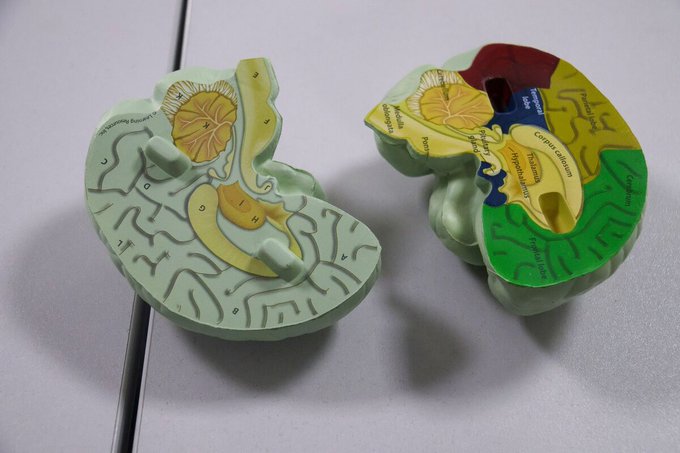
The tragic incident in New York where a former football player fatally shot four people before taking his own life has brought renewed attention to chronic traumatic encephalopathy (CTE), a neurodegenerative disease linked to repetitive brain trauma. The shooter reportedly believed he was suffering from CTE, a diagnosis often associated with former athletes in contact sports, but medical experts caution that understanding of the disease remains limited.
CTE can only be definitively diagnosed post-mortem, leaving many uncertainties about its symptoms and progression during a patient’s life. Coined as a potential cause for impulsive or violent behavior, CTE’s clinical presentation varies widely, making it challenging for doctors to diagnose or predict in living individuals. As a result, many diagnosed or suspected cases are based on retrospective analysis rather than clear, in vivo evidence.
Researchers continue to grapple with numerous unknowns around CTE, including how it develops, who is most at risk, and how it can be detected early. While there is a growing body of evidence linking repetitive head injuries to long-term brain changes, the medical community emphasizes that not everyone exposed to such trauma develops CTE. This scientific uncertainty makes it difficult to draw direct causative connections between CTE and violent behavior, complicating public understanding and legal considerations.
In the wake of the recent tragedy, experts stress the importance of further research to understand brain injuries in athletes and the potential mental health implications. Raising awareness, improving diagnostic tools, and promoting safer sports practices are seen as critical steps toward preventing future tragedies linked to brain trauma and related diseases like CTE.