
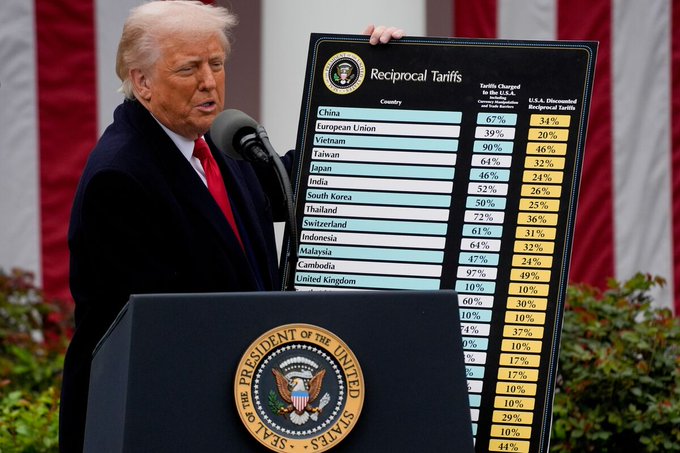
President Donald Trump’s recent announcement of new tariffs has sparked confusion among businesses and consumers alike, leaving many to wonder which countries and goods will be affected. While the specifics can be complex, industry insiders suggest that the burden will predominantly fall on importers who source products from targeted nations. These importers may face increased costs, which could ultimately be passed down to consumers.
The tariffs are aimed at several key trade partners, with steel, aluminum, and certain agricultural products among the primary categories impacted. Countries such as China, Mexico, and the European Union have been named in the trade measures, though the exact scope of affected goods remains unclear amid ongoing negotiations and potential exemptions. Importers are now scrambling to reassess their supply chains and costs in response to the evolving trade landscape.
Analysts warn that the increased tariffs may lead to higher prices for a wide range of consumer products, from raw materials to finished goods. Small and medium-sized businesses, in particular, could face significant challenges as they absorb or transfer the additional costs. Meanwhile, some industry leaders express concern about retaliatory measures from affected countries, which could further complicate international trade relations.
Ultimately, the financial impact will largely depend on how importers and foreign governments respond to the tariff policy. While consumers may face higher prices, businesses are preparing for a tumultuous period of adjustment as the global trade environment shifts under the new tariffs. Officials, meanwhile, emphasize that the measures are aimed at protecting domestic industries and fostering fair trade practices, although the tangible effects remain to be seen.