
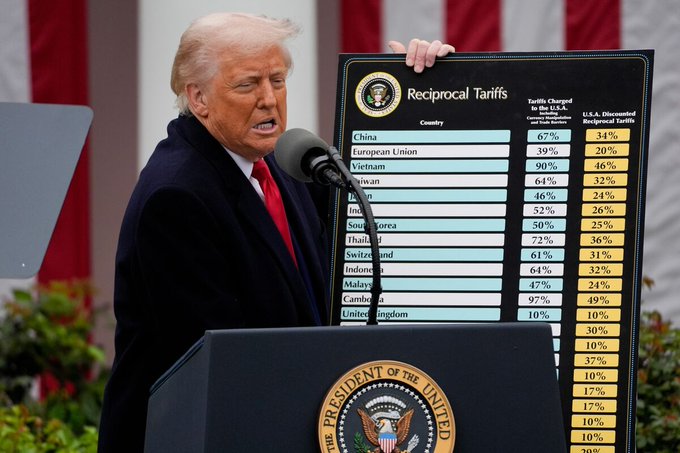
Many of America’s trade partners have refrained from escalating their import restrictions in response to U.S. trade policies, and a key reason is the recognition that retaliation could harm their own economies. Experts note that increasing tariffs or imposing trade barriers could disrupt supply chains, increase costs for consumers, and reduce export opportunities, making such measures a risky move for these nations.
However, economic considerations are not the only factors at play. Diplomatic relationships and strategic interests also influence the response. Some countries may prefer to avoid open conflicts to maintain stability and cooperation on broader geopolitical issues. Additionally, the threat of U.S. market dominance and the size of the American economy may dissuade smaller or less powerful nations from engaging in retaliation that could prove futile or damaging.
Furthermore, certain partners see maintaining open trade channels with the United States as beneficial for their long-term growth. They recognize that cooperation rather than confrontation can foster economic stability and mutual benefits. In some cases, countries have chosen to address disagreements through diplomatic negotiations instead of trade wars, reflecting a nuanced approach to balancing economic interests with international relations.
Overall, while economic self-interest plays a significant role in explaining the lack of trade retaliation, strategic considerations and diplomatic priorities also contribute to the cautious approach of America’s trade partners. This multifaceted reasoning underscores the complexity of global trade dynamics in an interconnected world.