
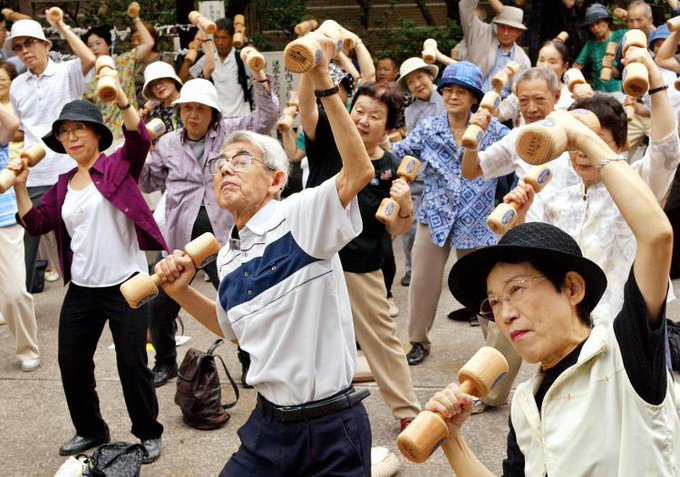
Japan’s population of centenarians has surpassed 95,119 individuals, marking a significant milestone in the country’s demographic landscape. This growing number reflects Japan’s status as one of the world’s longest-living nations, driven by high life expectancy and ongoing healthcare advancements. The figure represents the 54th consecutive year of increase in centenarian counts, illustrating steady demographic shifts over more than half a century.
Women continue to dominate Japan’s centenarian population, accounting for nearly 88% of those aged 100 or older. This gender disparity is consistent with global trends and is often attributed to women’s longer average lifespans. The high proportion of elderly women highlights ongoing social and healthcare challenges related to aging populations, including the need for tailored support systems.
The continuous rise in Japan’s centenarian numbers underscores the country’s success in healthcare and living standards. It also presents new demands for social services and elder care infrastructure as Japan prepares for an increasingly aged society. Experts suggest that ongoing innovations in public health, nutrition, and medical technology will play a vital role in sustaining this trend well into the future.