
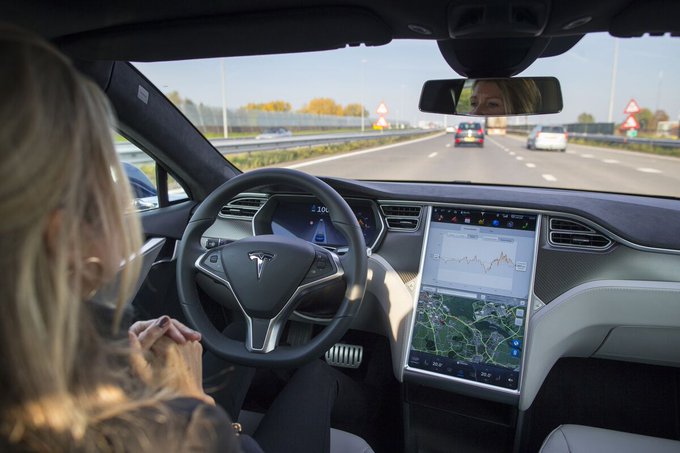
The recent verdict in the 2019 fatal Autopilot crash has sparked criticism of Tesla’s marketing tactics surrounding its driver assistance technology. According to tech analyst Liam Denning, the case underscores the dangers of overselling Autopilot’s capabilities, which many consumers misinterpret as fully autonomous driving. The court’s decision emphasizes the importance of clear communication from the company to prevent dangerous misunderstandings.
The crash involved a Tesla vehicle that was allegedly operating under Autopilot when it collided with a truck, resulting in the death of the driver. The incident has been a focal point for discussions about the safety and marketing of semi-autonomous driving systems. Critics argue that Tesla’s portrayal of Autopilot as a near-autonomous feature can mislead users into overestimating its abilities, potentially leading to reckless behavior.
Liam Denning, writing via The Op-Ed platform, notes that the verdict could serve as a legal rebuke not only to Tesla but also to the broader industry pushing the boundaries of driver assistance technology. He calls for clearer labeling and stricter regulations to ensure consumers understand the limitations of these systems. Experts warn that without proper safeguards, similar tragedies could happen again, raising questions about the regulatory and ethical responsibilities of automakers.
As Tesla continues to develop and promote its driver assistance features, this case reinforces the need for transparency and responsible marketing. Regulators are now likely to scrutinize advertising practices more closely, aiming to prevent future incidents and protect consumer safety. The verdict marks a critical turning point in how driver assistance technologies are communicated and regulated worldwide.