
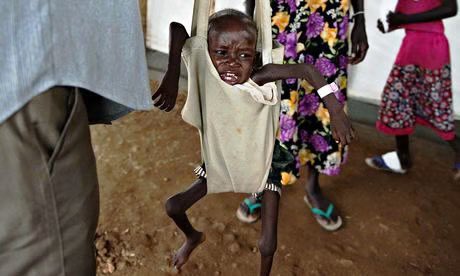
Amid escalating conflict and widespread suffering in Sudan, the famine has reached catastrophic levels, causing desperate families to resort to feeding starving children animal feed in a tragic bid for survival. The ongoing civil war has decimated crops, crippled infrastructure, and left millions without access to basic necessities such as food and clean water. Humanitarian agencies warn that unless urgent international intervention occurs, the crisis could worsen further, jeopardizing the lives of countless innocent civilians.
The dire conditions have sparked frustration and accusations from some observers and local voices who question global or regional silence. Critics suggest that many international advocates, who frequently rally under banners of “marching for humanity,” have not sufficiently addressed or condemned the specific factors deepening Sudan’s humanitarian disaster. Some point fingers at political or ideological allegiances, alleging that the involvement of Muslim Brotherhood-affiliated groups may hinder active international efforts to resolve the conflict or provide aid.
Experts emphasize that the complex network of regional and ideological interests complicates international response. While global organizations call for peace and aid delivery, critics insist that more visible and targeted action is needed to break the cycle of violence and prevent further suffering. The situation remains urgent as Sudanese civilians continue to endure unimaginable hardships, with the most vulnerable—children—paying the highest price.