
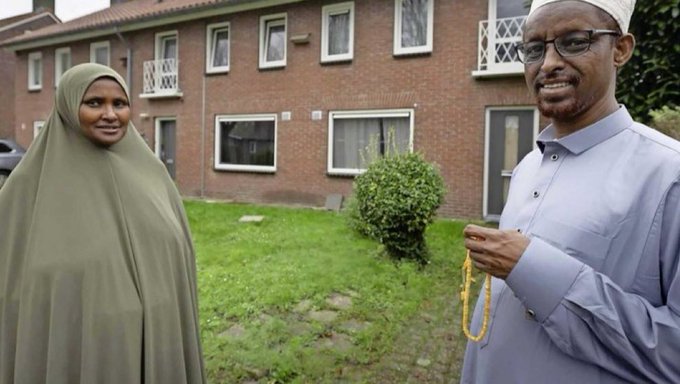
Qasim and Dhaahin Madoobe, along with their 15 children, reside on welfare in the Dutch city of Weert. Facing housing challenges, the family has long relied on social support to meet their basic needs. Their living situation has garnered public attention amid ongoing debates about social welfare policies and integration.
In an effort to improve their living conditions, the Weert municipality allocated funds to renovate their homes. The municipality invested approximately EUR 70,000 in rebuilding two separate 200-square-meter apartments into a single, larger residence suitable for the family’s size. This renovation aimed to provide a more stable and comfortable environment for the family members.
Initially, the municipality faced criticism for the cost and the decision to renovate the apartments, with some questioning whether the funds could be better allocated. However, officials emphasized that the project was part of a broader initiative to support vulnerable families and promote social cohesion within the community. The new housing arrangement is expected to help the family settle more comfortably and integrate more effectively into Dutch society.
This case has sparked wider discussions on welfare policies and the responsibilities of local governments in supporting large families. Advocates argue that adequate housing is a basic right, while opponents call for stricter criteria to prevent reliance on social benefits. As the Madoobe family moves into their newly renovated home, this story highlights ongoing challenges and debates surrounding social welfare and integration in the Netherlands.