
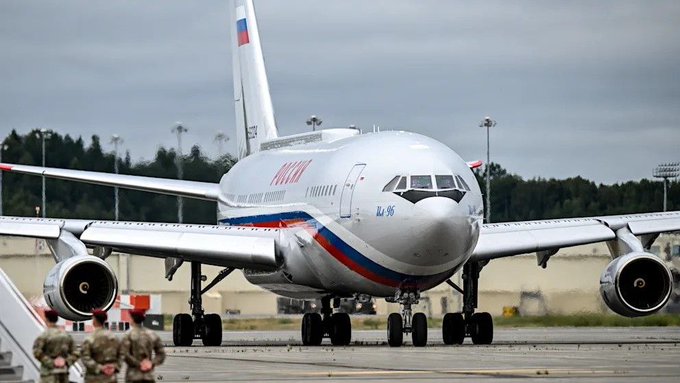
The Russian delegation faced significant logistical challenges when traveling to the United States amid ongoing sanctions. According to reports, Moscow’s representatives were required to carry large sums of cash to pay for jet fuel upon arrival. This unusual measure was necessary because imposed sanctions limited the availability of banking services for Russian officials abroad.
U.S. Secretary of State Marco Rubio disclosed the situation in an interview with NBC, explaining that the Russian delegation had to hand-deliver cash in Alaska to cover refueling costs. The move highlights the broader impact of sanctions on diplomatic travel and operational procedures, forcing officials to adapt to financial restrictions that circumvent traditional banking channels.
The requirement for cash payments signifies the extent to which sanctions have affected routine diplomatic and logistical activities. While such measures are intended to exert economic pressure, they also complicate the conduct of diplomatic missions and international travel, placing additional burdens on officials from affected countries.
This incident underscores the ongoing effects of sanctions and their ability to disrupt standard diplomatic protocols. As international relations continue to evolve, these operational challenges may influence future diplomatic engagements and logistics planning.