
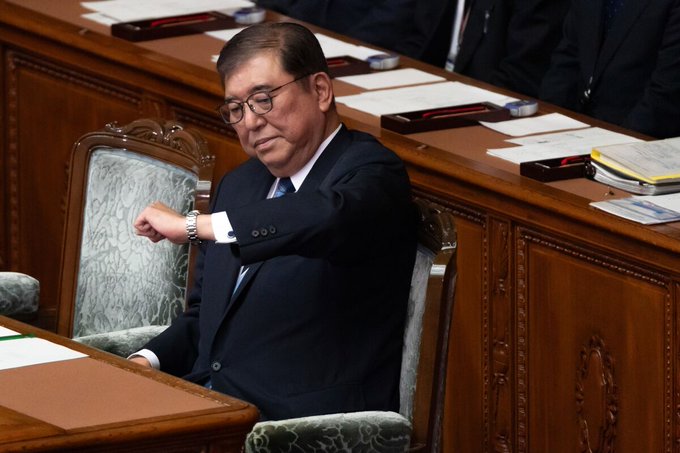
Japan’s Prime Minister Shigeru Ishiba is facing calls for resignation as political pressure mounts within his party. Critics argue that his leadership style and policy decisions are hampering the party’s momentum and electoral prospects. Some commentators believe that a transition in leadership could strengthen the party’s position ahead of upcoming elections.
The opinion piece by @GearoidReidy emphasizes the importance of strategic renewal within the party, suggesting that Ishiba’s continued grip on power may be detrimental. Reidy warns that holding onto leadership may risk further declines in public support and could potentially damage the party’s reputation.
Supporters of Ishiba contend that experience and stability are crucial during challenging political times. However, opponents assert that fresh leadership is necessary to reinvigorate the party and connect more effectively with voters. The debate highlights ongoing internal divisions over future direction and leadership approach.
As internal discussions unfold, the political landscape in Japan remains uncertain. The coming weeks are likely to reveal whether Ishiba will step down voluntarily or face mounting pressure to relinquish his position, shaping the future trajectory of his party and its influence in national politics.