
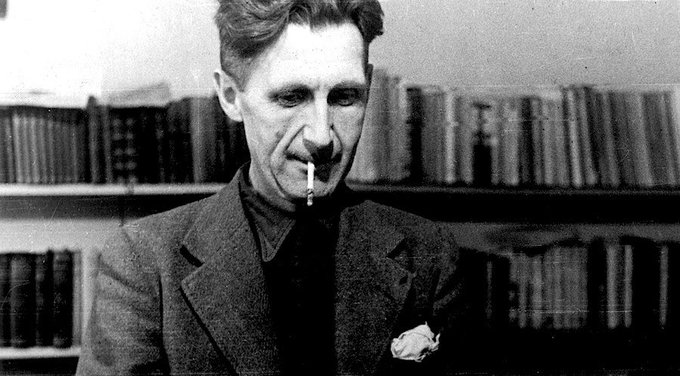
A well-known adage suggests that as societies move further away from the truth, they tend to harbor greater hostility toward those who attempt to speak it. This idea highlights the potential social consequences of disregarding factual accuracy, particularly in environments where misinformation and disinformation proliferate.
Historically, societies that reject uncomfortable truths often face increased polarization and conflict. When individuals or groups challenge popular narratives or official accounts, they may encounter social backlash, censorship, or marginalization. Experts warn that such attitudes can undermine open discourse and hinder societal progress, emphasizing the importance of valuing honesty and transparency.
In recent times, debates over misinformation, political correctness, and the suppression of dissenting views have brought this issue to the forefront. Analysts suggest that fostering a climate that encourages truthful dialogue is essential for social cohesion and democratic health. Recognizing the dangers of drifting away from truth can inspire efforts to promote media literacy, critical thinking, and respect for diverse perspectives.