
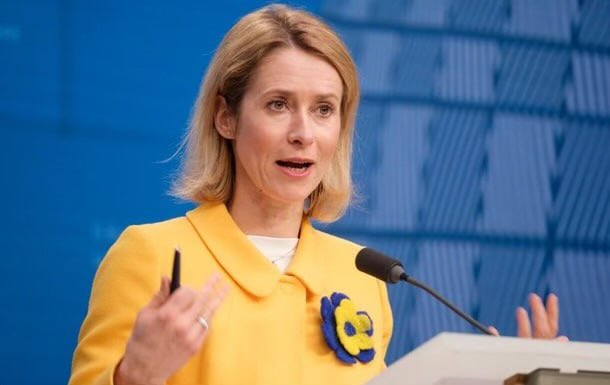
Russia’s oil revenues have declined by approximately 30%, a financial setback attributed to recent European Union sanctions. The reduction in income has significant implications for Russia’s economic capacity, particularly in funding its military activities amid ongoing conflicts. Estonian Prime Minister Kaja Kallas highlighted the impact of these sanctions, stating that the diverted funds are now unavailable to sustain Russia’s war efforts.
The EU has implemented a series of targeted measures aimed at restricting Russia’s revenue streams, especially its oil exports. According to the EU’s foreign policy chief, these sanctions are part of a broader strategy to exert economic pressure and diminish Russia’s financial resources. The measures include restrictions on oil imports and other financial restrictions designed to weaken Russia’s ability to fund its military operations.
Analysts note that the decline in oil revenues represents a significant financial hit to Russia, which heavily relies on oil exports for income. The sanctions appear to be effectively reducing Russia’s earnings, though the full impact on its military capabilities and broader economy remains to be assessed over time.
Russia has not publicly acknowledged the full extent of the revenue dip but continues to emphasize resilience amid the economic challenges posed by Western sanctions. As the situation develops, the international community watches closely to gauge how these economic measures will influence ongoing geopolitical conflicts and Russia’s strategic responses.