
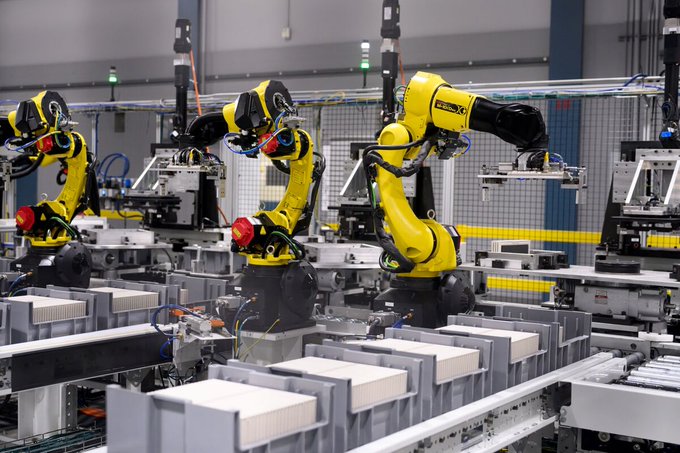
U.S. battery manufacturers are projected to encounter a significant surplus of production capacity by 2030 amid changing government policies. Analysts warn that the rollback of federal support for electric vehicles under the Trump administration could lead to an oversupply in the domestic battery industry, potentially impacting investment and profitability.
The shift in policy reflects a broader reevaluation of the U.S. approach to clean energy initiatives and electric vehicle adoption. While previous administrations aimed to bolster domestic manufacturing and reduce reliance on imported batteries, recent moves suggest a possible slowdown in federal funding and incentives for EV production and related infrastructure.
Industry experts caution that an oversupply could result in reduced prices and profit margins for U.S. battery makers, potentially affecting employment and further investment within the sector. At the same time, some see the surplus as an opportunity for U.S. manufacturers to build inventory for future demand, should supportive policies or market conditions change.
Overall, the anticipated capacity glut underscores the complex and evolving landscape of America’s clean energy transition, highlighting the importance of stable policy frameworks to support sustainable growth in the electric vehicle and battery manufacturing sectors.