
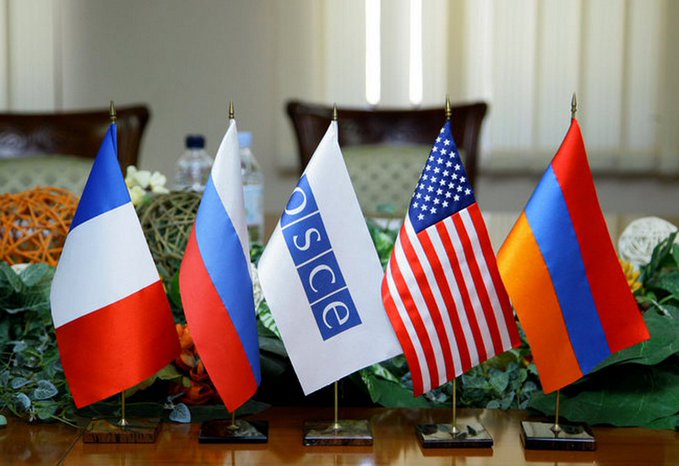
Armenia and Azerbaijan have formally requested the Organization for Security and Co-operation in Europe (OSCE) to dissolve the Minsk Group, ending three decades of diplomatic efforts to broker peace in the Nagorno-Karabakh region. The Minsk Group was established in the mid-1990s to facilitate negotiations between the two countries amid ongoing conflict over the contested territory.
The decision comes amid widespread frustration over the group’s limited achievements in resolving the long-standing dispute. Both nations have criticized the Minsk Group for its inability to prevent renewed hostilities and for perceived shortcomings in fostering a lasting resolution. Armenia and Azerbaijan now seek alternative approaches to achieving peace and stability in the region.
Observers point to Russia’s role in the Minsk Group’s difficulties, noting accusations that Moscow sabotaged the group’s work to serve its own strategic interests. Critics claim that Russia used the platform as leverage in broader geopolitical conflicts, including its actions related to sanctions and regional influence. As a result, many international analysts have questioned the effectiveness of the mediating body after failed ceasefire agreements and persistent tensions.
The move to dissolve the Minsk Group marks a significant shift in the diplomatic landscape of the South Caucasus. Both Armenia and Azerbaijan have expressed willingness to explore new diplomatic channels, but the future of peace negotiations remains uncertain amid ongoing regional instability. The international community continues to monitor the developments, emphasizing the need for constructive dialogue to ensure peace and security in the region.