
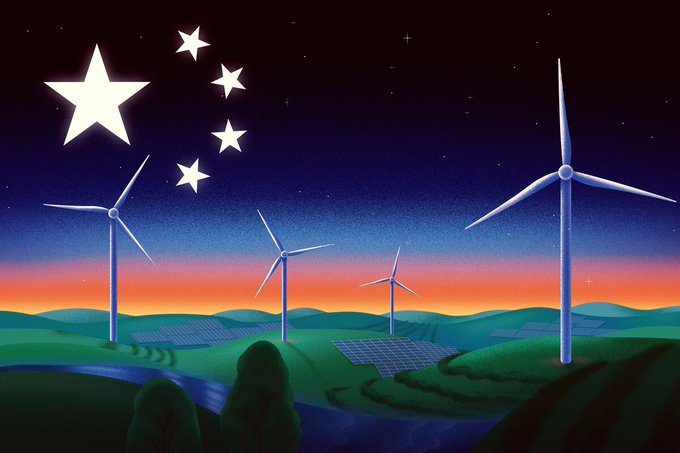
China has experienced a dramatic transformation in its approach to environmental management over the past few decades, shifting from severe air pollution issues to leading the world in clean energy development. In the late 20th century, rapid industrialization caused widespread smog and environmental degradation, raising health concerns and prompting government action. Over time, China implemented aggressive policies aimed at reducing emissions and investing heavily in renewable energy sources.
Today, China stands as the global leader in clean energy technology, with significant investments in solar, wind, and hydroelectric power. The country’s push toward sustainable energy has contributed to a decline in air pollution levels in major cities and positioned China as a key player in the worldwide transition to renewable sources. However, this rapid shift also highlights the complexities of a state-controlled approach. While government oversight has driven acceleration in clean energy deployment, critics warn that heavy reliance on state planning may pose risks for market competition and innovation.
As China continues to advance its clean energy infrastructure, questions remain about balancing economic growth with environmental sustainability, and the potential long-term implications of centralized control. The country’s experience underscores both the possibilities of strong government intervention in tackling environmental challenges and the inherent risks of heavy state involvement in shaping energy markets.