
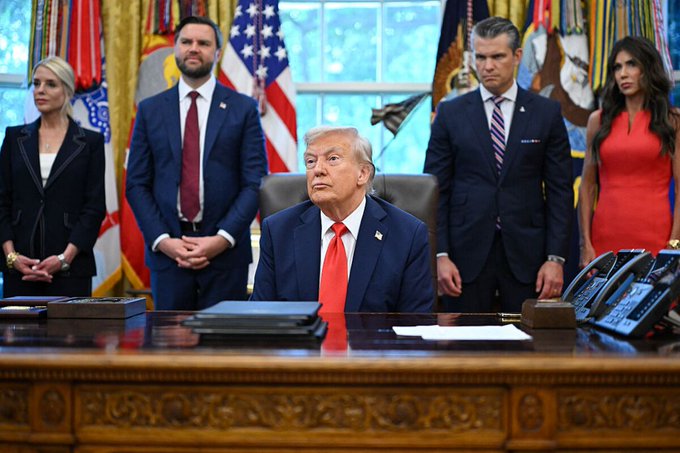
A recent analysis highlights the legal ambiguity surrounding former President Donald Trump’s attempt to remove a Federal Reserve governor. Legal experts suggest that Trump’s effort lacked clear statutory authority, making the move potentially questionable from a legal standpoint. Such actions raise questions about the limits of presidential power over independent central bank officials.
Despite this particular case, the broader context underscores that many of Trump’s controversial decisions fall within the scope of his presidential authority. Political analysts, including @mattyglesias, have noted that while some of these decisions are contentious or poorly advised, they often did not cross legal boundaries. This distinction is key in understanding the scope of executive power during his administration.
The discussion about the legality of Trump’s actions contributes to ongoing debates over the independence of the Federal Reserve and the extent of presidential influence over monetary policy officials. Experts emphasize the importance of maintaining clear legal frameworks to prevent potential overreach, especially regarding central banking independence.
As legal and political analyses continue, the focus remains on balancing executive authority with institutional independence, ensuring that future actions align with established legal norms. The case serves as a reminder of the complexities involved in exercising presidential power over autonomous agencies and the importance of legal clarity in such matters.