
September 1, 1939, marked a pivotal moment in world history as Germany launched a surprise attack on Poland, initiating World War II. The invasion rapidly escalated into a global conflict that would last six years and result in the deaths of tens of millions of people worldwide. The outbreak of war reshaped political boundaries, economies, and societies across the globe.
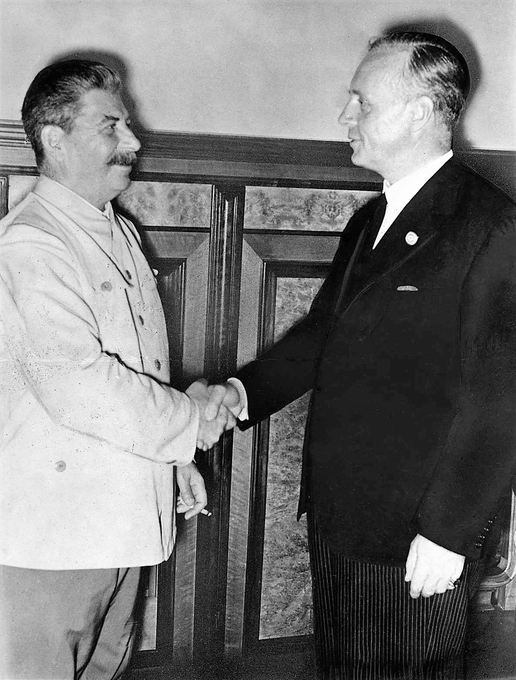
A week prior to the invasion, diplomatic tensions escalated as the foreign ministers of Nazi Germany and the Soviet Union engaged in negotiations that would lead to the signing of the Molotov-Ribbentrop Pact. This non-aggression treaty included secret protocols dividing Eastern Europe into spheres of influence, facilitating the Soviet Union’s invasion of eastern Poland shortly after the German attack. These diplomatic moves underscored the complex alliances and strategic calculations that contributed to the outbreak of the war.
The invasion of Poland prompted Britain and France to declare war on Germany, marking the official beginning of the most widespread conflict in history. Over the following years, military campaigns extended across Europe, Asia, and beyond, involving numerous nations and resulting in unprecedented destruction. The war eventually concluded in 1945 with the defeat of Axis powers, leading to significant geopolitical shifts and the establishment of the United Nations aimed at preventing future global conflicts.
The anniversary of Germany’s invasion remains a reminder of the devastating consequences of aggressive expansionism and failed diplomacy. Historians continue to reflect on the events leading up to September 1, 1939, emphasizing the importance of international cooperation in maintaining peace and security today.