
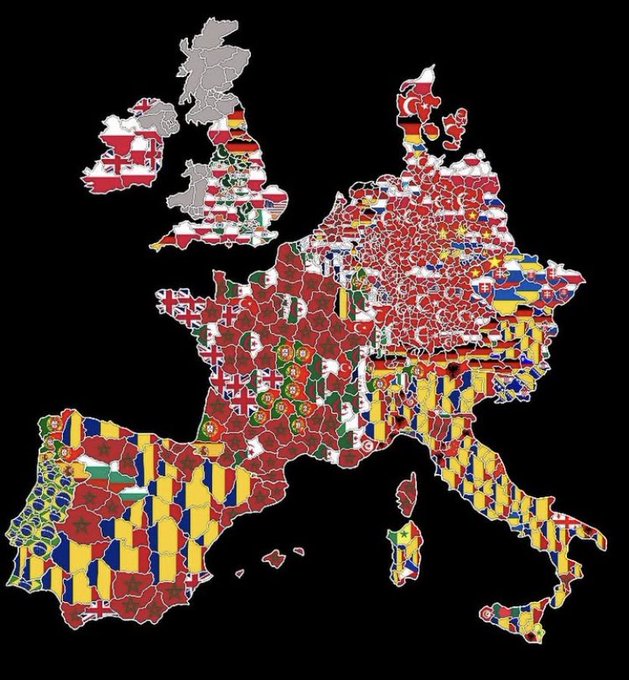
Migration patterns within Europe show notable origins among immigrant populations in various countries. In countries such as Spain, France, Belgium, and the Netherlands, Moroccan and Algerian communities are particularly prominent, reflecting historical and social ties with North Africa. These communities have established significant populations, contributing to the cultural and economic fabric of these nations.
In Germany and parts of Denmark, Turkish immigrants represent a substantial portion of the migrant population. These communities primarily stem from Turkey’s historical migration agreements with these countries in the latter half of the 20th century. Their presence has become a defining feature of the local demographic landscape, influencing cultural diversity and social dynamics.
Overall, internal migration and diasporas across Europe continue to shape the continent’s demographic profile. The prominence of specific origins in different countries underscores longstanding ties and migration trends rooted in history, labor opportunities, and bilateral agreements. These patterns remain pivotal in understanding Europe’s evolving cultural and social landscape.