
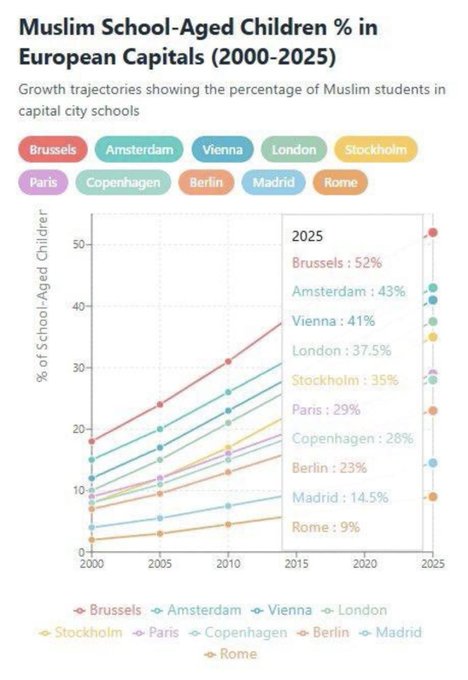
The phrase “Demographics are destiny” underscores the influential role that demographic trends play in shaping societies and economies. Experts suggest that factors such as age distribution, population growth, and migration patterns can significantly impact a nation’s economic development, political landscape, and social dynamics. Understanding these trends is crucial for policymakers aiming to address challenges such as aging populations, workforce shortages, and urbanization.
Recent analyses indicate that many developed countries are experiencing aging populations, which pose long-term pressures on healthcare systems and pension schemes. Conversely, some emerging economies are benefiting from youthful populations, potentially fueling economic growth but also requiring investments in education and job creation. Migration trends continue to reshape cityscapes and cultural identities, adding layers of complexity to demographic planning.
As demographics increasingly influence policy decisions, governments worldwide are investing in data collection and analysis to anticipate future needs. Strategic planning around population changes is becoming vital to ensuring sustainable growth and social stability. Ultimately, acknowledging the power of demographics helps societies better prepare for the uncertainties of the future.