
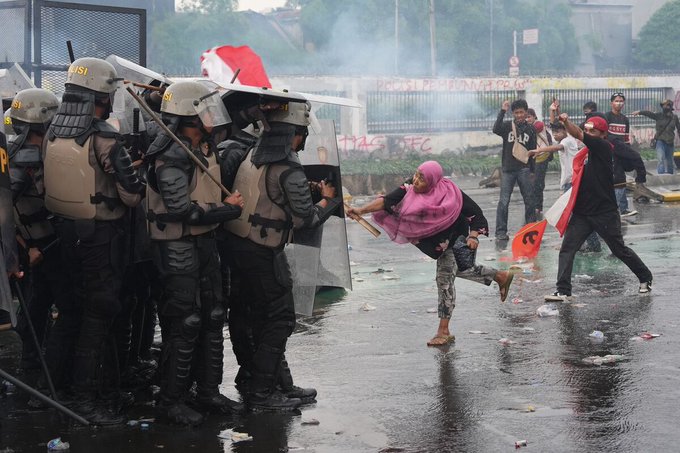
Protests in Indonesia and political upheaval in Thailand have recently raised concerns about regional stability, prompting discussions among analysts regarding potential impacts on neighboring Singapore. While Singapore itself remains stable, experts warn that developments in these Southeast Asian nations could influence the broader economic and political landscape in the region.
The disruptions in Indonesia and Thailand have led to uncertainties for businesses operating across Southeast Asia, with supply chains, investment flows, and market confidence potentially affected. Singapore, being a major financial and commercial hub, might experience ripple effects as companies reassess risk and adjust their regional strategies in response to the evolving situation.
The Singapore Edition newsletter highlights these regional tensions and explores the possible challenges they pose to the local business community. Industry stakeholders are urged to monitor the developments closely and consider contingency planning to mitigate potential disruptions. As the political landscape in neighboring countries continues to evolve, Singapore officials emphasize the importance of stability and regional cooperation to maintain its status as a resilient financial center.
While there are no immediate indications of direct impact, the ongoing unrest underscores the interconnected nature of Southeast Asian economies. Experts suggest that continued monitoring and proactive measures will be essential for companies and policymakers to navigate the potential repercussions of regional upheavals.