
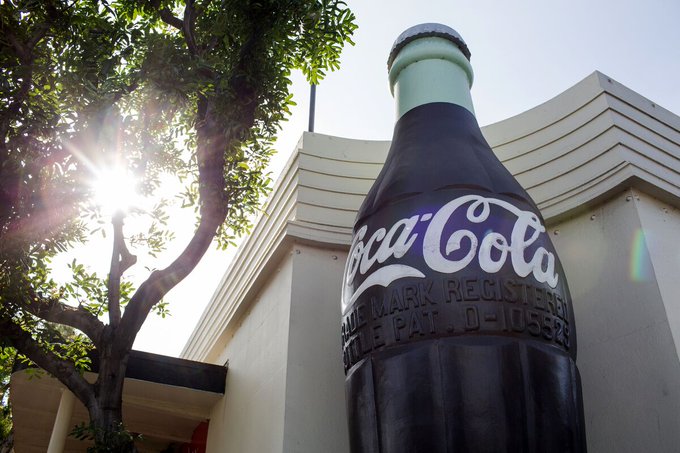
Coca-Cola has experienced a decline in market presence in Turkey and Pakistan amid calls for boycotts targeting Western companies perceived to have ties to Israel. The initiative, which has gained traction in some sections of the populations in these countries, is part of a broader movement to protest perceived political and economic support provided by international corporations to Israel.
The boycott calls have affected several multinational brands, with Coca-Cola, a prominent global beverage company, facing reduced sales and visibility in these markets. Local consumer sentiment has driven the recent shift, prompting some retailers and distributors to limit or reconsider their partnerships with Western firms. The movement reflects ongoing regional tensions and the influence of political activism on commercial activity.
Coca-Cola has not issued a specific statement addressing the boycotts but continues to operate its businesses worldwide. The company, like others affected, is monitoring the situation and assessing the potential impacts on its operations in the region. Experts note that such consumer-driven campaigns can significantly influence market dynamics, especially in countries where political sentiments strongly shape economic behavior.
The situation underscores the ongoing complexity of international business in politically sensitive regions, where corporate ties to foreign governments can become focal points of local activism. Analysts suggest that while consumer boycotts may fluctuate, they highlight the intersection of politics and commerce in contemporary geopolitics.