
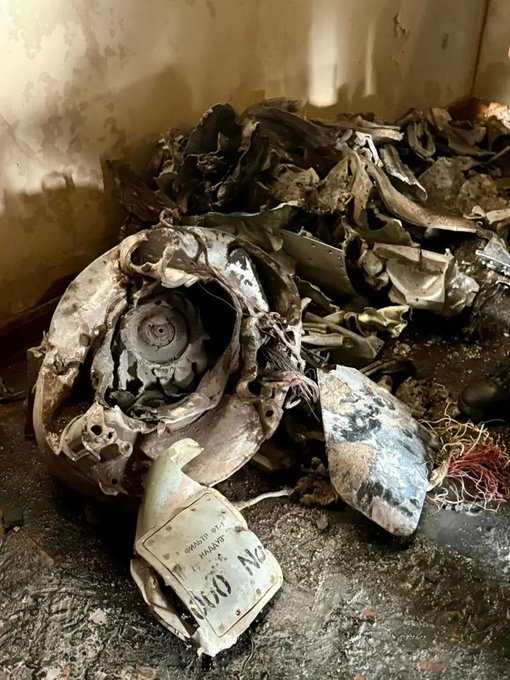
Russian forces used an Iskander missile in a strike on Ukraine’s Cabinet of Ministers building, and recent investigations have revealed that the missile contained multiple foreign components. Ukraine’s sanctions policy commissioner, Vladyslav Vlasiuk, stated that the examination of the missile showed it incorporated approximately 35 foreign-made parts.
The discovery of foreign components in the Iskander missile raises questions about the supply chain and international involvement in the weapon’s manufacturing process. Ukrainian authorities have emphasized that the presence of these parts could influence future sanctions and diplomatic responses, aiming to identify the sources and countries supplying materials for such military equipment.
Details regarding the specific countries involved and the nature of these foreign components have not yet been disclosed. Ukrainian officials continue to investigate the incident, underscoring the importance of monitoring the origin and proliferation of military hardware amid ongoing conflict situations.
This development highlights ongoing concerns about the complexities of military supply chains and the role of international trade in supporting or enabling military actions in conflict zones. The findings are likely to impact diplomatic discussions and policy measures related to sanctions and arms control.