
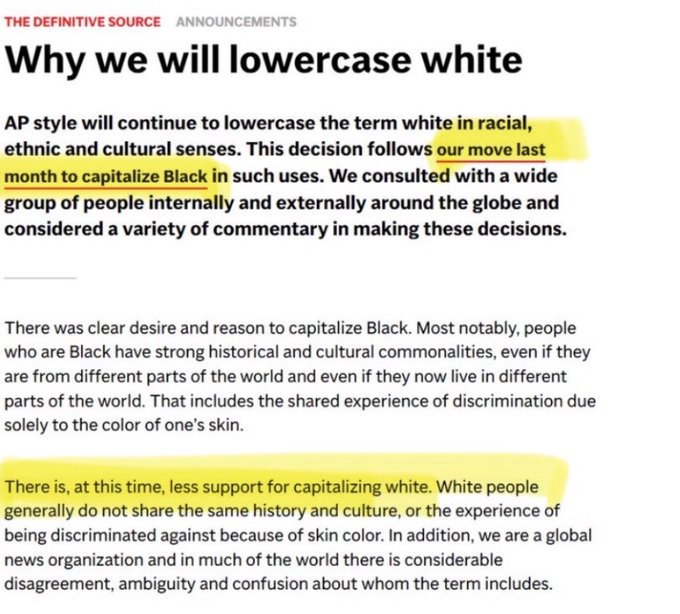
The Associated Press recently published an article asserting that European culture, as a distinct and cohesive entity, does not genuinely exist. This provocative statement has sparked debate among historians, cultural experts, and the public about the nature and identity of European civilization.
Critics of the assertion argue that European culture is the result of a long and complex history, shaped by numerous nations, philosophies, and artistic movements. They contend that dismissing it as nonexistent oversimplifies the rich tapestry of traditions, languages, and innovations that have emerged across the continent over centuries.
The claim also raises questions about the broader understanding of cultural identity and whether such identities are fixed or fluid. Supporters of the AP article suggest that Europe’s diverse populations and historical conflicts challenge the idea of a singular European culture, emphasizing instead a mosaic of regional influences.
Ultimately, the discussion reflects ongoing debates about the origin and definition of civilization. While some view European culture as a well-defined historical entity, others see it as an evolving, multifaceted construct shaped by numerous societal and political factors over time.