
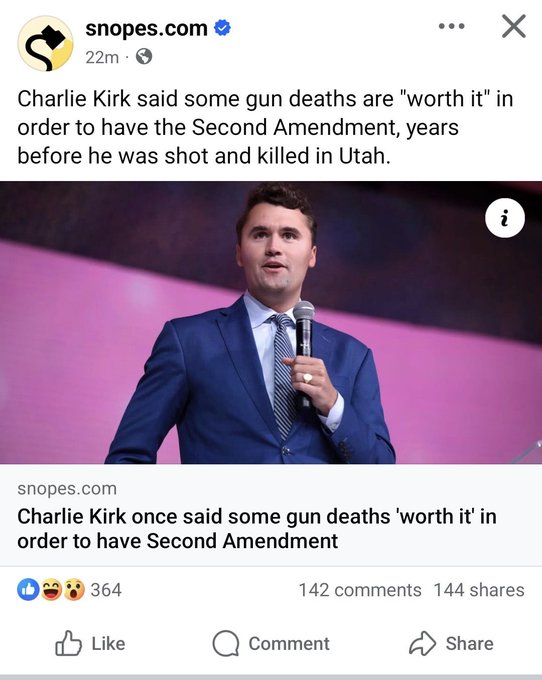
A viral social media comment has sparked widespread debate about the role of fact checkers in public discourse. The statement, “You don’t hate the fact checkers enough,” has been circulated across various platforms, prompting reactions from both supporters and critics of fact-checking organizations.
Supporters argue that fact checkers play a vital role in maintaining truth and accountability, especially amid the proliferation of misinformation online. They emphasize that fact-checking helps clarify complex issues and holds public figures and organizations accountable for their statements. Critics, however, sometimes view the process as flawed or biased, arguing that fact checkers can sometimes suppress free expression or reflect certain ideological leanings.
The comment has also underscores ongoing tensions about transparency and impartiality in fact-checking processes. Experts suggest that as misinformation continues to spread, the scrutiny of fact-checking organizations may increase, prompting calls for more transparent methodologies and diverse perspectives within these bodies. The discussion highlights the broader challenge of balancing factual accuracy with open dialogue in an era of rapid information exchange.
Overall, the viral remark has reignited conversations about the importance, limitations, and perception of fact-checkers in today’s media landscape, with opinions reflecting a deeply divided public on their role and impact.